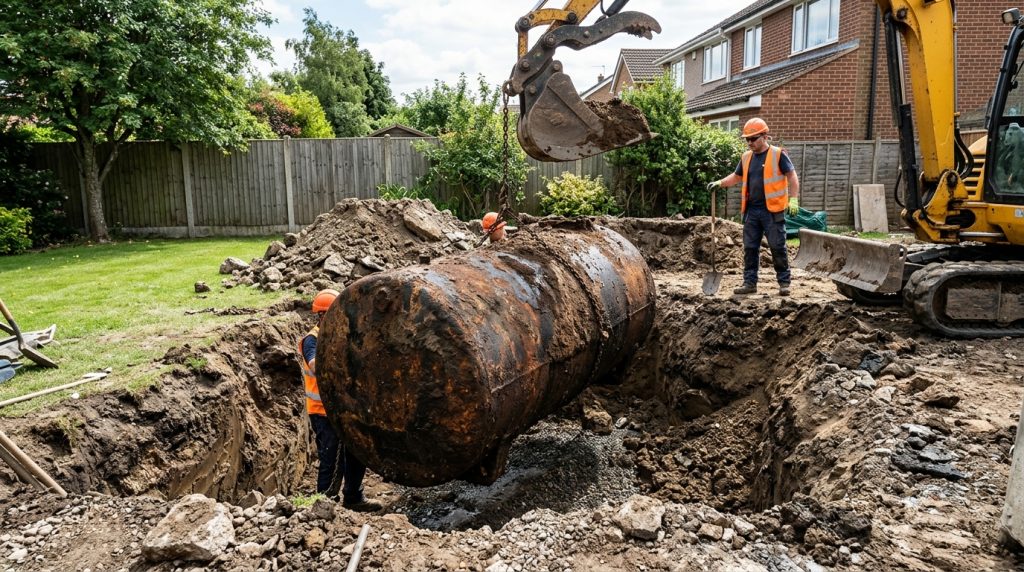
Understanding Oil Tank Removal in New Jersey and Why It Matters
If you’re dealing with an old underground oil tank, you’re probably wondering about oil tank removal New Jersey requirements and what’s involved. Here’s the good news: removing an old oil tank protects your property, prevents environmental damage, and can even increase your home’s value. Finding the right professionals to handle this job safely is crucial.
Many New Jersey homeowners discover they have an old heating oil tank when buying or selling a home. These tanks, often buried decades ago, can leak and contaminate soil and groundwater. Our directory connects you with qualified specialists who understand state regulations and can handle the job properly.
Let’s walk through everything you need to know about this process, so you can make informed decisions and find the right help through our Oil Tank Removal directory.
Signs You Need Oil Tank Removal Services
How do you know if you even have an underground oil tank? Many older homes switched to natural gas heating years ago, but the old tank was abandoned in place. Here are some telltale signs:
- A fill pipe or vent pipe sticking out of the ground near your home
- Unexplained dead patches in your lawn or garden
- Oil smell in your basement or yard
- Documentation in old property records mentioning oil heat
- A concrete pad in your basement where a tank once sat
If you’re buying or selling a home, your inspector might flag a potential tank. Most mortgage companies won’t approve loans until the tank situation is resolved. That’s when you’ll need to search our directory for qualified professionals.
New Jersey Oil Tank Regulations You Should Know
New Jersey takes underground storage tanks seriously. The state’s Department of Environmental Protection (DEP) has strict rules about oil tank removal New Jersey projects. You can’t just dig up a tank and haul it away yourself.
Licensed contractors must follow specific protocols. They’ll need to obtain proper permits, test soil samples, and document the entire removal process. If contamination is discovered, remediation becomes necessary. According to the New Jersey DEP, homeowners must report leaking tanks within 24 hours.
The good news? Our directory lists professionals who handle all the paperwork and regulatory compliance for you. They’ll work with the DEP, so you don’t have to navigate the bureaucracy alone.
What Happens During the Removal Process
When you connect with a specialist through our platform, they’ll follow these steps. They’ll conduct a site assessment to locate the tank and evaluate accessibility. Then they’ll apply for necessary permits from your local municipality and the state.
Next, they’ll excavate around the tank, pump out any remaining oil, and remove the tank itself. Soil samples get tested for contamination. They’ll backfill the hole and restore your yard. The entire process takes one to three days, depending on the tank’s size and location.
Cost Factors for Oil Tank Removal in New Jersey
Let’s talk money because that’s probably on your mind. Costs vary based on several factors. You’re looking at anywhere from $1,500 to $5,000 for straightforward removals.
Here’s what affects the price:
- Tank size: Residential tanks range from 275 to 1,000 gallons
- Location: Underground tanks cost more to remove than basement tanks
- Accessibility: Tanks under driveways or decks require more work
- Soil contamination: Cleanup can add thousands to the bill
- Permits and testing: These fees vary by municipality
If contamination is discovered, remediation costs can range from $5,000 to $50,000 or more. Many homeowners carry tank insurance or negotiate with sellers to cover these costs during home sales.
Finding Qualified Professionals Near You
Not every plumber or contractor handles oil tank work. You need specialists with proper licensing and insurance. Our directory makes it easy to Contact Us and find vetted professionals in your area.
Whether you’re looking to find plumber Montclair NJ or need specialists elsewhere in the state, we’ve done the homework for you. Each listing includes credentials, service areas, and customer reviews.
Alternative Options: Tank Abandonment vs. Removal
Sometimes, removal isn’t the only option. In certain situations, professionals might recommend tank abandonment in place. This involves cleaning the tank, filling it with sand or foam, and capping all pipes.
This approach has limitations. Many municipalities don’t allow it, and future property sales can get complicated. Most real estate attorneys and lenders prefer removal because it eliminates liability concerns.
Before deciding, consult with specialists from our General Plumbing directory. They’ll assess your specific situation and recommend the best approach based on local regulations and your property’s circumstances.
Environmental Impact and Liability Concerns
As a property owner, you’re responsible for environmental damage caused by your oil tank, even if you didn’t install it. Old tanks corrode and leak, contaminating soil and reaching groundwater.
Ignoring a deteriorating tank can lead to massive cleanup costs and legal problems down the road. New Jersey holds property owners liable for contamination, regardless of when it occurred. Proactive removal makes financial sense.
Contaminated properties can become unsellable until remediation is done. By addressing the issue now through professionals in our plumbing services directory, you protect both your investment and the environment.
Insurance Considerations
Standard homeowner’s insurance doesn’t cover oil tank removal or contamination cleanup. Specialized tank insurance is available and affordable, costing $200-$400 per year.
If you’re buying a home with a known tank, consider purchasing this coverage before closing. It can save you tens of thousands if contamination is discovered during removal.
How to Choose the Right Oil Tank Removal Company
Not all contractors are created equal. When searching our directory, look for these qualifications. Verify they hold proper state and local licenses for underground storage tank work. Confirm they carry adequate liability insurance and pollution liability coverage.
Ask about their experience with oil tank removal New Jersey projects. State regulations here differ from neighboring states, so local expertise matters. Check if they’re registered with the New Jersey DEP as a certified tank removal contractor.
Our directory lists only qualified professionals. You can compare services, read reviews, and contact multiple specialists to get quotes. Just like you’d search for Emergency Plumbing help in a crisis, finding the right tank removal specialist matters.
Timeline and Planning Your Project
When should you tackle this project? Spring through fall offers the best weather conditions for excavation work. Frozen ground in winter makes the job harder and more expensive. You’ll want your yard restored before cold weather sets in.
Plan ahead because scheduling can take several weeks. Permit processing alone might require 2-4 weeks. Then contractors need time to schedule equipment and crews. If you’re in a real estate transaction, communicate these timelines with all parties involved.
If you discover other plumbing issues during the tank removal process, our directory connects you with specialists for Bathroom Plumbing, Toilet Repair, and more. We’re your resource for all plumbing needs.
What to Expect After Tank Removal
Once the tank is out and soil tests come back clean, you’ll receive documentation proving proper removal. Keep these records forever. They’re crucial for future property sales. The paperwork includes permits, soil test results, and a closure letter from the contractor.
Your yard will need some care after excavation. Contractors restore the area, but you might need to reseed grass or replant landscaping. Most homeowners find their yard looks normal again within a few weeks.
You’ll enjoy peace of mind knowing you’ve eliminated a major liability. Your property value is protected, and you won’t face surprise contamination issues later.
Commercial Property Considerations
Business owners face additional complexities with oil tank removal. Commercial properties often have larger tanks and stricter regulatory oversight. If you own commercial real estate, our Commercial Plumbing directory connects you with specialists experienced in commercial tank removal projects.
These projects require more extensive documentation and more involved remediation if contamination exists. Don’t wait until a property transaction forces your hand. Address aging tanks now to avoid business disruptions.
Get Started with Professional Oil Tank Removal Today
Dealing with an old oil tank doesn’t have to be overwhelming. By connecting with qualified professionals through NJ Pro Plumbers, you’re taking the right first step toward protecting your property and investment.
Our directory makes finding trusted specialists easy. Whether you need help now or want to plan ahead, we’ve got you covered. Search our listings today, compare qualified contractors in your area, and get the job done right.
Ready to move forward? Give us a call at 973-831-4333 or visit https://njproplumbers.com to explore our directory of licensed professionals. Your property and the environment will benefit from taking action now rather than waiting for problems to escalate.
Need oil tank removal New Jersey? Find licensed specialists through our directory who handle permits, testing & safe removal. Get started today!
Have a plumbing problem right now?
Our licensed NJ master plumbers are available 24/7 — no extra charge for nights and weekends.