Understanding Oil Tank Removal New Jersey Regulations: What Every Property Owner Needs to Know
If you’re dealing with oil tank removal New Jersey regulations, you’re not alone. Thousands of Garden State homeowners face this challenge every year. Whether you’ve got an old underground tank lurking beneath your lawn or an aging aboveground unit in your basement, understanding the rules can save you serious headaches down the road.
The good news? We’re here to help you navigate these regulations. Our directory connects you with qualified professionals who know the ins and outs of New Jersey’s strict environmental laws. Let’s break down what you need to know.
Why New Jersey Takes Oil Tank Removal Seriously
New Jersey doesn’t mess around with environmental protection. The state has some of the toughest regulations in the country, and for good reason. Old heating oil tanks can leak, contaminating soil and groundwater with petroleum products that cost tens of thousands to clean up.
Contaminated properties can’t be sold until they’re remediated. The New Jersey Department of Environmental Protection (NJDEP) has established clear guidelines for tank removal and disposal. These rules protect both your property value and our shared environment.
You can’t just dig up a tank yourself. State law requires licensed professionals to handle the job. That’s where our Oil Tank Removal directory comes in handy.
The Real Cost of Non-Compliance
Ignoring these regulations isn’t worth the risk. Property owners who skip proper procedures face hefty fines from the NJDEP. You’ll also be liable for any environmental damage your tank causes, which can run into six figures for serious contamination.
Insurance companies often won’t cover damage from abandoned or improperly maintained tanks either. That leaves you holding the bag for cleanup costs that could’ve been avoided with proper removal.
When You’re Required to Remove Your Oil Tank in New Jersey
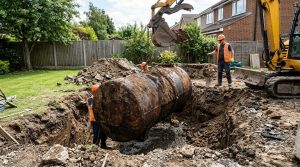
You might wonder when oil tank removal becomes mandatory. New Jersey law is clear on this front. You must remove or properly abandon an underground storage tank when it’s no longer in use or when you’re selling your property.
There’s more to consider. If your tank is leaking, corroded, or damaged in any way, immediate action is required. You can’t just ignore a failing tank and hope for the best. The state considers this an environmental emergency.
If you’re switching from oil heat to natural gas or another fuel source, your old tank needs proper handling. You can’t leave it buried and forgotten. The NJDEP requires either removal or proper closure procedures.
The Property Sale Scenario
Selling your home? This is when tank issues often surface. Most mortgage companies won’t approve loans for properties with underground oil tanks unless they’ve been properly removed or tested. You’ll need documentation proving your tank is either gone or safe.
Smart buyers always ask about heating oil tanks during home inspections. They know the potential liability involved. Addressing this issue upfront can speed up your sale and protect your asking price.
Oil Tank Removal New Jersey: The Step-by-Step Process
The removal process follows a specific sequence mandated by state regulations. First, you’ll need to find a licensed contractor through our directory. These professionals understand what the NJDEP requires for compliance.
Next, your contractor will apply for the necessary permits from your local municipality. Most towns in New Jersey require permits before any excavation work begins. This takes a few days to a couple of weeks, depending on your location.
After permits are approved, the removal can begin. Your contractor will pump out any remaining oil, cut access holes in the tank, and remove it from the ground. They’ll then take soil samples to check for contamination.
Documentation You’ll Need
Proper paperwork is crucial for oil tank removal New Jersey projects. Your contractor should provide you with several documents when the job is complete. These include the tank closure report, soil testing results, and proof of proper disposal.
You’ll want to keep all permits and inspection certificates. These documents prove you followed state regulations. They’re essential if you ever sell your property or apply for environmental insurance.
Many homeowners also request a “clean letter” from their contractor. This document states that no contamination was found during removal. While not legally required, it can provide peace of mind and help with future property transactions.
Finding Licensed Professionals Through Our Directory
When you need to find plumber New Jersey services for tank removal, our directory makes the search simple. We’ve vetted professionals who specialize in this complex work. They carry the proper licenses, insurance, and certifications required by state law.
Our Commercial Plumbing section includes contractors who handle larger tanks for businesses and multi-family properties. These jobs require additional expertise and equipment, so choosing the right professional matters even more.
Don’t risk hiring an unlicensed contractor to save a few bucks. The consequences of improper removal can cost you far more than the initial savings. Use our directory to connect with qualified professionals who’ll do the job right the first time.
What to Look for in a Tank Removal Contractor
The best contractors carry liability insurance and environmental pollution coverage. This protects you if something goes wrong during the removal process. Always ask to see proof of insurance before signing any contracts.
Experience matters too. Look for contractors who’ve completed hundreds of removals in New Jersey. State regulations vary, so you want someone who knows local requirements inside and out.
Understanding Soil Contamination and Remediation
Sometimes soil testing reveals contamination around your old tank. This isn’t the end of the world, but it does require additional steps. The NJDEP has specific thresholds for petroleum contamination that trigger remediation requirements.
Contrary to what many people fear, remediation doesn’t always mean massive excavation. Many cases qualify for minor cleanup procedures. Your contractor can explain which category your situation falls into based on the soil test results.
If significant contamination exists, you’ll need to work with a Licensed Site Remediation Professional (LSRP). These specialists manage the cleanup process and ensure compliance with all NJDEP requirements. They’ll develop a remediation plan specific to your property.
The Remediation Timeline
Simple remediation might take just a few weeks. The contractor removes contaminated soil and replaces it with clean fill. They then conduct follow-up testing to verify the cleanup was successful.
More complex cases can take months or even years. This involves ongoing monitoring and treatment rather than immediate excavation. Your LSRP will keep you updated throughout the process and handle all communications with the NJDEP.
Costs and Financial Assistance Options
The cost of oil tank removal New Jersey projects varies widely. Simple aboveground tank removal might run $500 to $1,500. Underground tank removal costs $1,500 to $3,000 for straightforward jobs without contamination.
If contamination is present, costs can escalate quickly. Minor remediation might add $3,000 to $10,000 to your bill. Major cleanup projects can reach $50,000 or more, depending on the extent of contamination and property size.
New Jersey offers financial assistance through the Underground Storage Tank Remediation, Upgrade and Closure Fund. This program can help eligible homeowners cover remediation costs. Your contractor or LSRP can help you determine if you qualify.
Insurance Coverage Considerations
Some homeowners’ insurance policies include coverage for sudden and accidental oil spills. Check your policy or call your insurance agent. You might have coverage you didn’t know about.
You can also purchase specialized environmental insurance for older properties with oil tanks. This coverage addresses contamination risks. Consider this option if you’re not planning to remove your tank right away.
Aboveground vs. Underground Tank Regulations
New Jersey treats aboveground and underground tanks differently under state regulations. Underground tanks face stricter requirements because they’re harder to inspect and more likely to leak undetected. Most municipalities now prohibit new underground tank installations.
Aboveground tanks in basements are easier to monitor. You can spot leaks, rust, and other problems during regular inspections. They’re also simpler and cheaper to remove when the time comes.
Both types require proper handling when you’re switching fuel sources or selling your property. Don’t assume aboveground tanks are exempt from regulations. They still need proper decommissioning and disposal.
How Our Directory Helps You Stay Compliant
Navigating oil tank regulations can feel overwhelming. That’s why we built this directory. We connect property owners with professionals who understand New Jersey’s complex environmental laws.
Our directory includes experts in related services. Need help with your heating system after removing your oil tank? Check our General Plumbing section for qualified contractors who can help with the transition.
If you’re upgrading your entire property’s systems, our Bathroom Plumbing and Filtration Systems directories can connect you with professionals for those projects too.
The Value of Working with Directory-Listed Professionals
We vet every professional in our directory. They must demonstrate proper licensing, insurance, and a track record of quality work. This screening process saves you hours of research and reduces your risk of hiring the wrong contractor.
Our directory includes customer reviews and ratings. You can see what other property owners experienced before making your decision. This transparency helps you choose confidently.
Take Action on Your Oil Tank Today
Don’t wait until you’re forced to deal with oil tank removal New Jersey regulations during a property sale or environmental emergency. Proactive removal protects your property value, eliminates liability, and gives you peace of mind.
Start by searching our directory for qualified professionals in your area. Whether you need residential tank removal or you’re looking through our commercial plumber directory NJ for business properties, we’ve got you covered.
Ready to get started? Call us at 973-831-4333 or visit https://njproplumbers.com to find licensed professionals near you. You can also reach out through our Contact Us page for personalized assistance. Address your oil tank situation now, and you’ll have one less worry on your plate.
Navigate oil tank removal New Jersey regulations with confidence. Find licensed professionals, understand costs, and ensure compliance with state environmental laws.
Have a plumbing problem right now?
Our licensed NJ master plumbers are available 24/7 — no extra charge for nights and weekends.