Understanding New Jersey’s Water Quality Challenges
If you’re concerned about what’s coming out of your tap, you’re not alone. Many New Jersey homeowners are discovering that water filtration systems installation might be the answer to their water quality worries. From strange tastes to concerning test results, understanding your water is the first step toward protecting your family’s health.
New Jersey’s water supply faces unique challenges. Our state sits at the crossroads of industrial history and modern development, which means contaminants can vary from one town to the next. What’s safe in one neighborhood might need attention in another.
That’s why we’ve created this guide. You’ll learn how to test your water, what common issues affect New Jersey homes, and how to find qualified professionals through our Filtration Systems directory who can help you choose the right treatment solution.
Common Water Quality Problems Across New Jersey
Different regions face different water challenges. In older communities like Montclair and Newark, aging infrastructure can introduce lead and copper into drinking water. Suburban areas often deal with hard water minerals that leave spots on dishes and reduce appliance efficiency.
Here are the most frequent issues we see reported:
- Hard water minerals – Calcium and magnesium that create scale buildup
- Chlorine taste and odor – Added during municipal treatment but unpleasant to drink
- Iron and manganese – Cause rust-colored stains and metallic taste
- Lead contamination – Particularly in homes built before 1986
- PFAS chemicals – “Forever chemicals” found in some water supplies
- Bacteria and microorganisms – More common in private wells
Seasonal changes can affect water quality. Spring runoff might introduce agricultural chemicals, while summer droughts can concentrate existing contaminants. Understanding these patterns helps you make informed decisions about treatment.
How Geography Affects Your Water
Northern New Jersey draws water from surface reservoirs, which are susceptible to runoff contamination. Central regions often use a mix of surface and groundwater sources. Southern areas rely on the Kirkwood-Cohansey aquifer system.
Each source brings its own set of potential issues. Testing is crucial before investing in any treatment system.
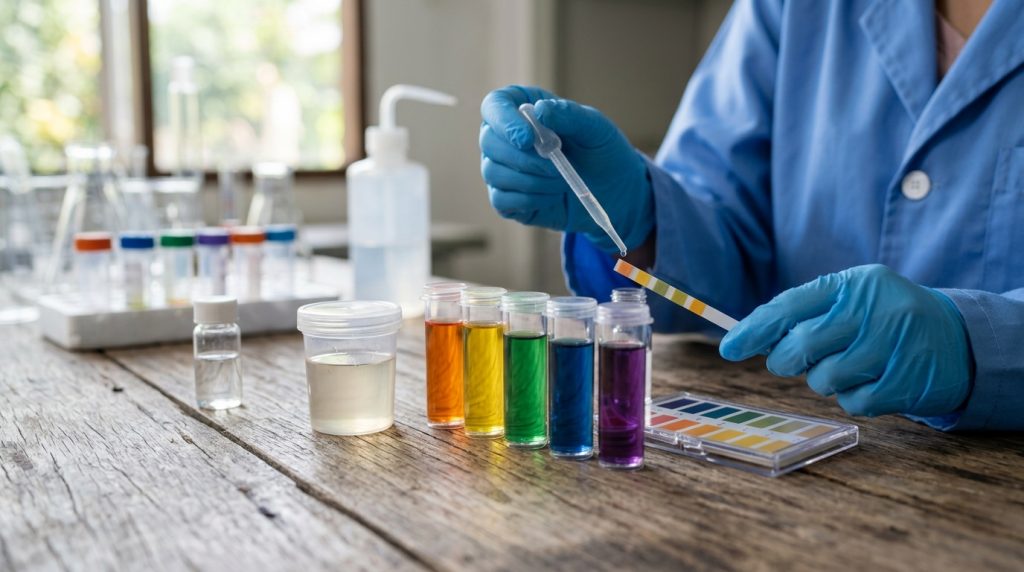
Testing Your Water: Where to Start
Before considering water filtration systems installation, you need to know what you’re dealing with. Testing takes the guesswork out of treatment decisions and ensures you’re not spending money on solutions you don’t need.
You’ve got several testing options available. First, check your annual Consumer Confidence Report (CCR) from your water utility. This report, required by the EPA, shows contaminant levels in your municipal water supply. However, it won’t reflect what’s happening in your home’s pipes.
For a complete picture, consider these testing approaches:
- DIY test kits – Available at hardware stores for basic screening
- State-certified labs – Provide comprehensive analysis of multiple contaminants
- Professional water testing – Often offered by qualified plumbers who specialize in water treatment
New Jersey residents can access free lead testing through many county health departments. The New Jersey Department of Environmental Protection provides resources and certified lab listings on their website.
What to Test For
At minimum, test for lead, bacteria, nitrates, and pH levels. If you’re on well water, expand testing to include arsenic, radon, and volatile organic compounds. If you live near industrial areas or farms, ask about specific chemicals used in those industries.
Results arrive within one to two weeks. Once you have them, you can match your specific contaminants to appropriate treatment solutions.
Treatment Options: Finding What Works for You
Now that you understand what’s in your water, let’s talk solutions. Treatment systems range from pitcher filters to whole-house installations. The right choice depends on your specific contaminants, budget, and household needs.
Point-of-use systems treat water at a single tap, usually your kitchen sink. They’re affordable and effective for drinking and cooking water. However, they won’t address issues like hard water affecting your Bathroom Plumbing fixtures or appliances.
Whole-house systems treat all water entering your home. They’re more expensive upfront but provide comprehensive protection. They’re often the better long-term investment for families with multiple water quality concerns.
Popular Treatment Technologies
Reverse osmosis systems remove up to 99% of dissolved contaminants. They’re excellent for addressing heavy metals, fluoride, and PFAS chemicals. Installation connects under your kitchen sink, providing purified water for drinking and cooking.
Water softeners tackle hard water minerals through ion exchange. They’ll protect your Water Heaters and plumbing fixtures from scale buildup. Most systems regenerate using salt.
Carbon filtration excels at removing chlorine, pesticides, and organic compounds that affect taste and odor. These systems are affordable and require minimal maintenance. They’re often combined with other technologies for comprehensive treatment.
UV purification kills bacteria and viruses without chemicals. It’s essential for well water and provides an extra safety layer for municipal water during boil-water advisories.
The Installation Process: What to Expect
Professional water filtration systems installation ensures your system works from day one. While some homeowners attempt DIY installation, working with experienced professionals through our General Plumbing directory saves time and prevents costly mistakes.
Here’s what happens during installation. The plumber assesses your existing plumbing and water pressure. They’ll identify the best location for your system, considering space constraints and access to drain lines. Next, they’ll shut off your water supply and make necessary connections.
Installation time varies by system type. Point-of-use systems take two to four hours. Whole-house systems might require a full day, especially if electrical work is needed for UV systems or water softeners.
Permits and Regulations
Some New Jersey municipalities require permits for plumbing modifications. Professional installers handle these requirements as part of their service. They ensure installations meet local codes and manufacturer specifications, protecting your warranty.
Licensed plumbers also carry insurance, which protects you if something goes wrong during installation. This peace of mind is worth the investment compared to DIY approaches.
Maintenance and Long-Term Care
Every filtration system needs regular maintenance to work effectively. Neglecting maintenance doesn’t just reduce performance. It can make your water quality worse as filters become breeding grounds for bacteria.
Filter replacement schedules vary by system and usage. Carbon filters need changing every six months. Reverse osmosis membranes last two to three years. Water softeners need salt refills every few months.
Set calendar reminders for maintenance tasks. Better yet, many professionals listed in our plumbing services directory offer maintenance plans that handle everything for you. They’ll track replacement schedules and ensure your system continues protecting your family.
Signs Your System Needs Attention
Watch for these warning signs between scheduled maintenance. If water flow slows, filters need replacement. Strange tastes or odors returning indicate exhausted filtration media. If you notice scale buildup reappearing, your water softener might need service.
Don’t ignore these signals. Prompt attention keeps your system running efficiently and extends its lifespan.
Finding Qualified Installation Professionals
Choosing the right installer matters as much as selecting the right system. You need someone who understands New Jersey’s specific water challenges and stays current with treatment technologies.
Our directory makes finding qualified professionals easier. Whether you need to find plumber Montclair NJ or anywhere else in the state, we connect you with licensed, insured professionals who specialize in water treatment.
Look for these qualifications when reviewing options. Licensed plumbers have met state requirements and passed competency exams. Experience with water treatment systems is crucial. Not all plumbers specialize in filtration. Check for manufacturer certifications, which indicate advanced training on specific systems.
Read reviews from other homeowners. They’ll give you insight into communication, punctuality, and problem-solving abilities. Don’t hesitate to ask for references from past water treatment installations.
Cost Considerations and Budgeting
Water treatment investment varies based on system type and complexity. Point-of-use reverse osmosis systems start around $200 for DIY kits, while installed units range from $400 to $1,500. Whole-house systems represent larger investments, from $1,500 to $5,000 or more.
Consider the long-term savings. Quality systems reduce bottled water expenses, extend appliance lifespans, and prevent plumbing repairs caused by hard water damage. Many homeowners recover their investment within a few years.
Some systems qualify for energy efficiency rebates. Check with your utility company and local programs before purchasing. Professionals in our directory can advise on available incentives.
Financing and Payment Options
Many installation professionals offer financing plans that spread costs over time. This makes comprehensive water treatment accessible without depleting emergency savings. Compare terms and understand total costs including interest.
Some homeowners insurance policies cover water treatment systems as part of Waterproofing and home protection measures. Check your policy or ask your agent.
Take Control of Your Water Quality Today
Clean, safe water isn’t a luxury. It’s a necessity for your family’s health and comfort. Now that you understand New Jersey’s water challenges and available solutions, you’re ready to take action.
Start by testing your water to identify specific contaminants. Then, use our directory to connect with qualified professionals who can recommend appropriate treatment options. Remember, water filtration systems installation is an investment in your family’s wellbeing that pays dividends for years to come.
Whether you’re dealing with hard water in your Commercial Plumbing system or concerned about contaminants in your home’s drinking water, the right professionals can guide you to effective solutions.
Ready to improve your water quality? Contact Us today or call 973-831-4333 to connect with experienced water treatment specialists in your area. Don’t wait. Cleaner, safer water is just a phone call away.
Discover water quality issues in NJ and explore testing methods plus treatment options. Find qualified pros for water filtration systems installation today.
Have a plumbing problem right now?
Our licensed NJ master plumbers are available 24/7 — no extra charge for nights and weekends.