New Jersey maintains some of the most comprehensive plumbing regulations in the United States, designed to protect public health and ensure safe water systems throughout the state. Whether you’re a homeowner planning a bathroom renovation or a contractor managing commercial projects, understanding NJ plumbing codes is essential for compliance and safety.
Why NJ Plumbing Codes Matter
The New Jersey Uniform Construction Code (NJUCC) incorporates the International Plumbing Code (IPC) with state-specific modifications. These regulations govern everything from pipe sizing and venting to fixture installation and water heater specifications. Compliance isn’t just about avoiding fines—it’s about protecting your property value, ensuring insurance coverage, and safeguarding your family’s health.
In communities like Montclair NJ and surrounding areas, local building departments enforce these codes rigorously. Any plumbing work requiring a permit must meet current code standards, and inspections verify compliance before projects can be completed.
Key NJ Plumbing Code Requirements
Licensing and Permits
New Jersey law requires that all plumbing work be performed by licensed master plumbers or journeymen working under a master plumber’s supervision. Homeowners can perform work on their own single-family residences, but most municipalities still require permits for major installations or modifications. This licensing requirement applies equally to residential and commercial plumbing projects.
Water Supply and Distribution
NJ plumbing codes specify minimum pipe sizes for water distribution systems based on fixture units and flow rates. The code requires backflow prevention devices in specific applications to prevent contaminated water from entering the potable water supply. Cross-connection control is particularly important in commercial settings and homes with irrigation systems or oil tank removal projects where groundwater contamination risks exist.
Drain, Waste, and Vent Systems
Proper venting is one of the most commonly misunderstood aspects of plumbing codes. Every fixture must be adequately vented to prevent trap siphoning and allow proper drainage. NJ codes specify vent pipe sizing, placement, and termination requirements. Improper venting can lead to slow drains, gurgling sounds, and sewer gas infiltration—problems that often require costly corrections.
Fixture Installation Standards
The code establishes minimum clearances and installation requirements for plumbing fixtures. Toilets must have specific rough-in dimensions, shower valves must include pressure-balancing or thermostatic mixing devices to prevent scalding, and all fixtures must meet water efficiency standards established by the Environmental Protection Agency’s WaterSense program.
Common Code Violations to Avoid
Understanding frequent violations helps homeowners and contractors prevent costly mistakes:
- Improper trap configurations: S-traps and other outdated trap designs are prohibited under current codes
- Inadequate venting: Island sinks, basement bathrooms, and fixture additions often lack proper venting
- Incorrect pipe materials: Mixing incompatible materials or using non-approved products
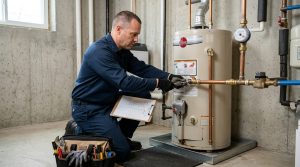
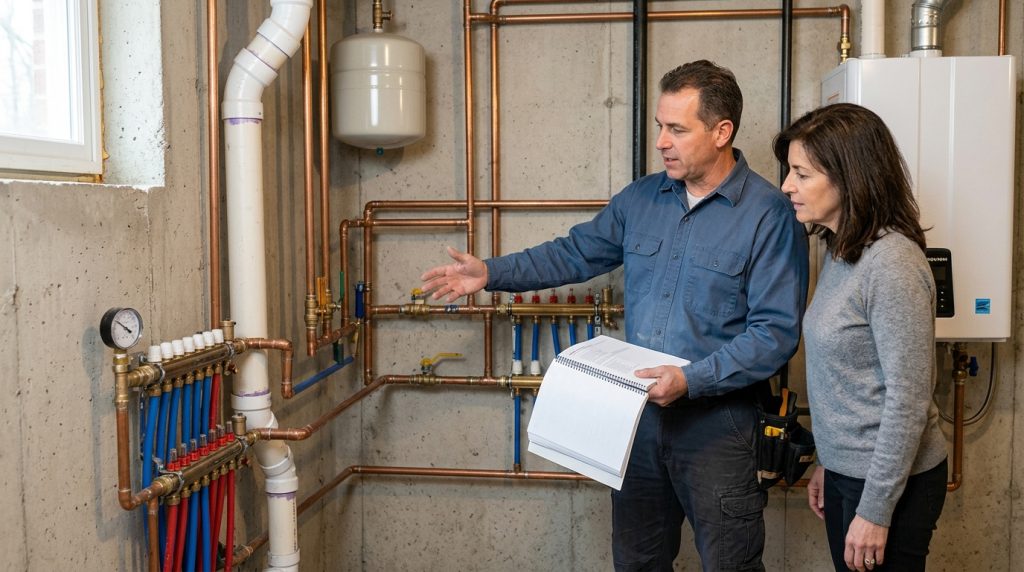
- Missing expansion tanks: Required on closed water heater systems to prevent pressure buildup
- Improper cleanout placement: Codes require accessible cleanouts at specific intervals
Special Considerations for New Jersey
New Jersey’s climate and geography create unique plumbing challenges. Freeze protection for exterior fixtures and pipes is essential, requiring proper insulation and heat trace cable in vulnerable areas. The state’s older housing stock, particularly in established communities, often contains outdated plumbing that must be brought to current code during renovations.
Additionally, New Jersey has specific requirements for lead service line replacement and testing, reflecting the state’s commitment to water quality. Homeowners should be aware of these requirements when planning plumbing upgrades.
Working with Code Officials
Building inspectors are valuable resources, not adversaries. They ensure work meets minimum safety standards and can often provide guidance on complex code interpretations. Schedule inspections promptly, have relevant code sections available for discussion, and maintain open communication throughout your project.
For more guidance on maintaining your plumbing system and staying code-compliant, visit our plumbing tips and advice section, where we regularly share expert insights.
Get Professional Help with Code-Compliant Plumbing
Navigating NJ plumbing codes can be complex, and mistakes can be expensive. Whether you’re planning a small repair or a major renovation, working with licensed professionals ensures your project meets all applicable codes and passes inspection the first time.
At NJ Pro Plumbers, our licensed master plumbers stay current with all New Jersey plumbing code requirements. We handle permit applications, ensure code-compliant installations, and coordinate inspections so your project proceeds smoothly from start to finish. Serving Montclair NJ and surrounding communities, we bring decades of experience to every residential and commercial project.
Don’t risk costly violations or failed inspections. Contact us today for a free estimate on your plumbing project, or call us 24/7 at 973-831-4333. Our team is ready to ensure your plumbing work meets all New Jersey code requirements while delivering the quality and reliability you deserve.
Have a plumbing problem right now?
Our licensed NJ master plumbers are available 24/7 — no extra charge for nights and weekends.