Navigating New Jersey’s plumbing codes can be complex, whether you’re a homeowner planning a renovation or a contractor managing commercial projects. Understanding these regulations is essential for ensuring safety, avoiding costly violations, and maintaining property value throughout Montclair and surrounding areas.
Why NJ Plumbing Codes Matter
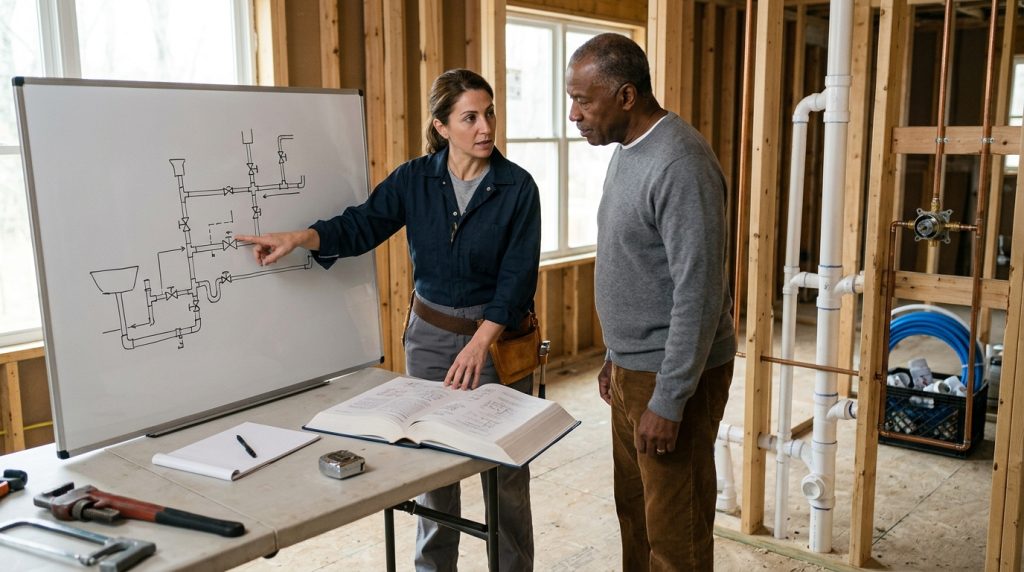
New Jersey enforces some of the most stringent plumbing codes in the nation, designed to protect public health and safety. The state follows the Uniform Construction Code (UCC), which incorporates the International Plumbing Code (IPC) with specific New Jersey amendments. These regulations govern everything from pipe sizing and materials to fixture installation and drainage systems.
Compliance isn’t optional—violations can result in failed inspections, permit denials, and potential legal liability. For homeowners in Montclair, NJ, working with licensed professionals who understand local code requirements ensures your plumbing projects meet all standards from the start.
Key Components of NJ Plumbing Codes
Permit Requirements
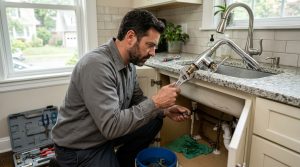
Most plumbing work in New Jersey requires permits, including fixture replacements, water heater installations, and pipe modifications. However, minor repairs like replacing a faucet washer typically don’t need permits. Understanding which projects require permits prevents delays and ensures proper inspections throughout the process.
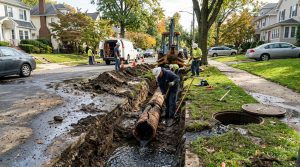
For commercial plumbing projects, permit requirements are even more comprehensive, often requiring detailed plans and multiple inspection stages.
Licensed Plumber Requirements
New Jersey law mandates that only licensed master plumbers or journeyman plumbers working under a master plumber’s supervision can perform plumbing work. This licensing requirement protects consumers by ensuring technicians have proper training and knowledge of current codes.
Material Standards
NJ plumbing codes specify approved materials for different applications. For example, polybutylene piping is prohibited, while PEX, copper, and CPVC are approved for water supply lines under specific conditions. Understanding these material requirements is crucial for long-term system reliability.
Common Code Requirements for Residential Projects
Water Heater Installation
Water heaters must be installed with proper temperature and pressure relief valves, adequate clearances, and proper venting for gas units. The discharge pipe from the T&P valve must terminate within six inches of the floor or to an approved location.
Fixture Installation Standards
All plumbing fixtures must be installed according to manufacturer specifications and code requirements. This includes proper trap installation, adequate venting, and appropriate water supply connections. Fixtures must also meet water conservation standards, with maximum flow rates specified for toilets, showerheads, and faucets.
Backflow Prevention
New Jersey requires backflow prevention devices in specific situations to protect the potable water supply from contamination. This is particularly important for irrigation systems, commercial facilities, and properties with underground oil tanks that may require specialized plumbing connections.
Special Considerations for Older Homes
Montclair features many historic homes with aging plumbing systems. When renovating older properties, you may need to bring certain elements up to current code, even if you’re only modifying a small section. This can include:
- Replacing outdated pipe materials like galvanized steel or lead
- Installing proper venting where none exists
- Upgrading drainage systems to meet current slope requirements
- Adding backflow prevention devices
Understanding these requirements before starting a project helps you budget appropriately and avoid surprises during inspections.
Working with Code Officials
Local building departments enforce plumbing codes through the inspection process. Establishing good communication with code officials can streamline your project. Schedule inspections promptly, have all work visible and accessible, and address any violations immediately.
For additional guidance on maintaining code compliance, visit our Plumbing Tips & Advice section, where we regularly share insights on regulatory updates and best practices.
The Cost of Non-Compliance
Attempting plumbing work without proper permits or using unlicensed contractors may seem cost-effective initially, but the consequences can be severe. Non-compliant work can lead to:
- Failed home inspections during property sales
- Insurance claim denials after water damage
- Mandatory removal and replacement of completed work
- Fines and legal penalties
- Safety hazards for occupants
Partner with Licensed Professionals
Understanding NJ plumbing codes is essential, but navigating them successfully requires professional expertise. Licensed plumbers stay current with code changes, understand local interpretation variations, and can ensure your project passes inspection the first time.
Whether you’re planning a bathroom renovation, need commercial plumbing services, or require guidance on code compliance for any plumbing project in the Montclair area, working with experienced professionals protects your investment and ensures safety.
Ready to discuss your plumbing project? Contact us today for a free estimate. Our licensed master plumbers bring decades of experience with New Jersey plumbing codes and can guide your project from planning through final inspection. Call us 24/7 at 973-831-4333 or fill out our online form—we’ll respond within the hour to address your plumbing needs.
Have a plumbing problem right now?
Our licensed NJ master plumbers are available 24/7 — no extra charge for nights and weekends.