Navigating New Jersey’s plumbing codes can be complex, whether you’re a homeowner planning a renovation or a contractor managing commercial projects. Understanding these regulations is essential for ensuring safety, compliance, and avoiding costly violations. This comprehensive guide breaks down the key aspects of NJ plumbing codes that every property owner and professional should know.
Why NJ Plumbing Codes Matter
New Jersey’s plumbing codes are based on the Uniform Construction Code (UCC) and incorporate standards from the International Plumbing Code (IPC). These regulations exist to protect public health, ensure safe water distribution, and maintain proper waste disposal systems. Non-compliance can result in failed inspections, fines, and potential health hazards.
For homeowners in areas like Montclair NJ and surrounding communities, understanding these codes is particularly important when undertaking renovations or addressing emergency repairs. Working with licensed professionals who stay current with code requirements ensures your project meets all legal standards.
Key Components of NJ Plumbing Codes
Licensing and Permit Requirements
New Jersey requires that all plumbing work be performed by licensed master plumbers or under their direct supervision. Homeowners cannot perform their own plumbing work except for minor repairs. Most plumbing projects require permits, including:
- New fixture installations
- Water heater replacements
- Pipe rerouting or replacement
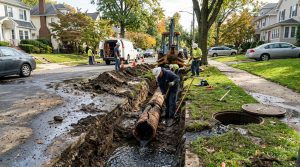
- Sewer line work and oil tank removal involving plumbing connections
- Commercial plumbing installations and modifications
Water Supply Standards
NJ plumbing codes establish strict requirements for water supply systems. These include specifications for pipe materials, sizing, and installation methods. Cross-connection control is particularly emphasized to prevent contamination of potable water supplies. Backflow prevention devices must be installed in specific situations, and regular testing is mandatory for commercial properties.
Drainage and Venting Systems
Proper drainage and venting are critical components of code compliance. New Jersey codes specify:
- Minimum pipe slopes for drainage lines
- Trap requirements for all fixtures
- Vent sizing and configuration standards
- Cleanout placement and accessibility
These requirements ensure that waste flows properly and sewer gases don’t enter living spaces—a common concern that professional plumbers address during inspections.
Recent Code Updates and Changes
New Jersey periodically updates its plumbing codes to reflect new technologies and safety standards. Recent changes have addressed water conservation, lead-free plumbing materials, and enhanced seismic safety requirements. Staying informed about these updates is crucial for both homeowners and contractors.
The shift toward lead-free fixtures and pipes has been particularly significant, with strict limits on lead content in materials that contact potable water. This affects everything from faucets to supply lines and requires careful material selection during any plumbing project.
Common Code Violations to Avoid
Understanding frequent violations can help you avoid costly mistakes:
- Improper venting: Inadequate or incorrectly configured vents are among the most common violations
- Incorrect pipe sizing: Using undersized pipes can cause pressure issues and code failures
- Missing permits: Starting work without proper permits can result in stop-work orders
- Substandard materials: Using non-approved materials or fixtures violates code
- Improper fixture spacing: Bathroom fixtures must meet minimum clearance requirements
Code Compliance for Different Property Types
Residential Properties
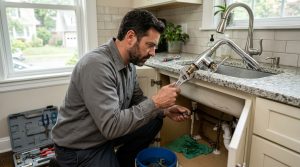
Homeowners face specific code requirements for bathroom renovations, kitchen upgrades, and system repairs. Whether you’re upgrading fixtures or addressing emergency repairs, compliance ensures your home’s value and safety are protected.
Commercial Buildings
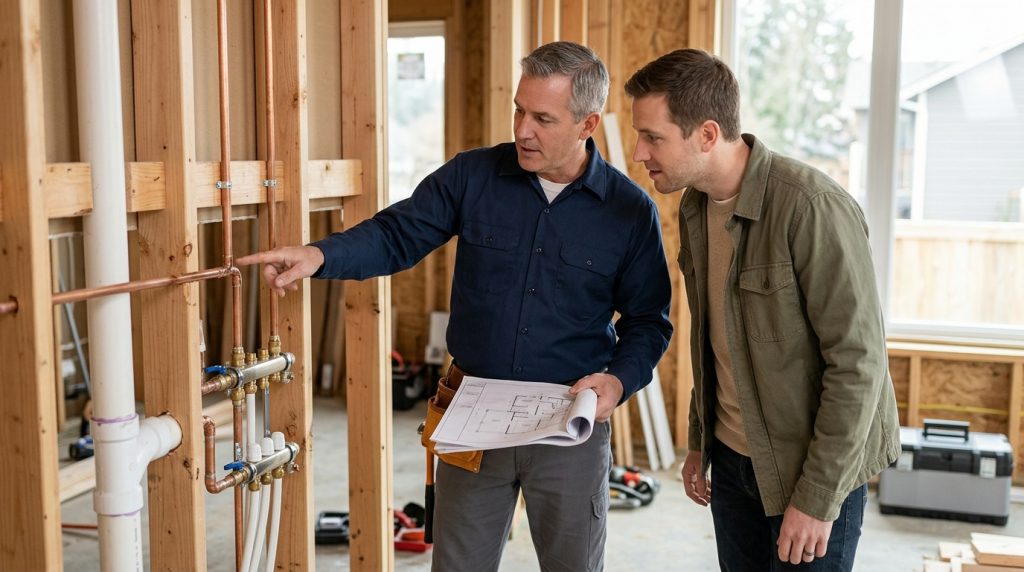
Commercial properties face more stringent requirements, including accessibility standards under the Americans with Disabilities Act (ADA). Commercial plumbing projects require detailed plans, multiple inspections, and often involve specialized systems like grease traps or backflow preventers.
Working with Code-Compliant Professionals
The complexity of NJ plumbing codes makes working with experienced, licensed professionals essential. Qualified plumbers understand local code requirements, maintain relationships with inspectors, and ensure all work passes inspection the first time.
For additional guidance on maintaining your plumbing system and staying code-compliant, explore our plumbing tips & advice section, where we regularly share expert insights on best practices and regulatory updates.
Get Expert Help with Code-Compliant Plumbing
Whether you’re planning a major renovation or need emergency repairs, ensuring code compliance protects your investment and keeps your property safe. Don’t risk violations or failed inspections—work with professionals who understand New Jersey’s plumbing regulations inside and out.
NJ Pro Plumbers specializes in code-compliant plumbing services throughout Montclair and surrounding areas. Our licensed master plumbers stay current with all code changes and handle permitting, inspections, and quality workmanship from start to finish. Contact us today for a free estimate, or call us 24/7 at 973-831-4333 for immediate assistance with your plumbing needs.
Have a plumbing problem right now?
Our licensed NJ master plumbers are available 24/7 — no extra charge for nights and weekends.