As winter’s harsh conditions give way to spring in New Jersey, property owners face unique plumbing challenges that require immediate attention. The freeze-thaw cycles, aging infrastructure, and increased water usage during the warmer months make spring the ideal time for comprehensive plumbing maintenance. This essential checklist will help Montclair and surrounding area property owners prevent costly repairs and ensure their plumbing systems operate efficiently throughout the year.
Why Spring Plumbing Maintenance Matters in New Jersey
New Jersey’s climate subjects plumbing systems to significant stress during winter months. Freezing temperatures, ground shifts, and increased pressure on pipes can create hidden damage that manifests as the weather warms. Proactive spring maintenance identifies these issues before they escalate into emergency situations, saving property owners thousands in potential water damage and repair costs.
For commercial properties, spring maintenance is even more critical. Businesses cannot afford unexpected plumbing failures that disrupt operations and impact customer experience. Our commercial plumbing services help business owners stay ahead of potential problems with systematic inspections and preventive care.
Exterior Plumbing Inspection Tasks
Check for Underground Oil Tank Issues
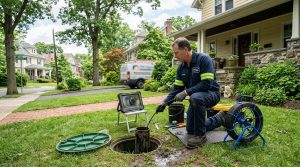
Many older New Jersey properties, particularly in Montclair, have underground oil tanks that may have been forgotten or improperly abandoned. Spring’s thawing ground can reveal leaks or structural compromises that pose environmental hazards and legal liabilities. If you suspect an old oil tank on your property, professional oil tank removal services ensure safe, compliant remediation before contamination spreads.
Inspect Outdoor Faucets and Hose Bibs
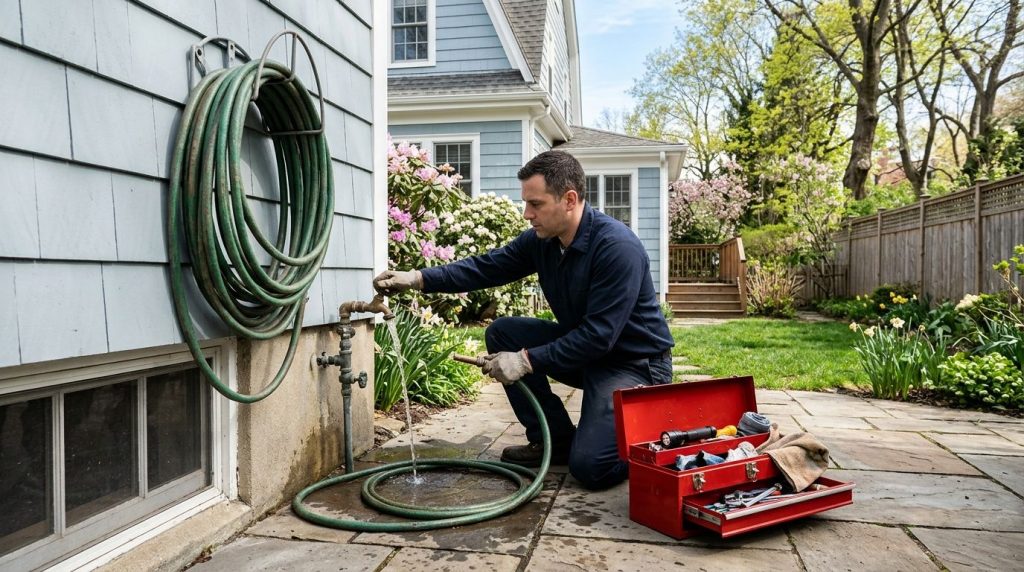
Outdoor faucets bear the brunt of winter weather. Check for leaks, cracks, or dripping when you turn them on for the first time in spring. Even minor leaks can waste hundreds of gallons annually and indicate freeze damage that may extend into your walls. Replace worn washers and ensure all connections are secure before regular use begins.
Examine Foundation and Basement Areas
Walk your property’s perimeter looking for standing water, unusual wet spots, or areas where grass grows exceptionally green—these often indicate underground leaks. Check basement walls for water stains, efflorescence (white mineral deposits), or musty odors that suggest moisture intrusion from compromised pipes or poor drainage.
Interior Plumbing Maintenance Essentials
Bathroom Plumbing System Review
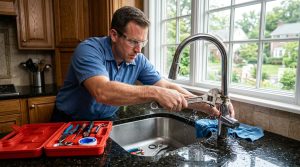
Bathrooms contain the highest concentration of plumbing fixtures and are prone to multiple issues. Inspect under sinks for moisture or corrosion, test all faucets for proper water pressure and temperature, and check caulking around tubs and showers for deterioration. Spring is the perfect time to address these concerns before humidity levels rise and mold becomes a greater risk.
Toilet Performance Evaluation
Toilets account for nearly 30% of household water consumption. Test each toilet for silent leaks by adding food coloring to the tank—if color appears in the bowl without flushing, you have a leak. Check for wobbling, which indicates a compromised wax ring seal, and listen for continuous running water. These issues not only waste water but can cause significant floor damage over time. Professional toilet repair addresses these problems efficiently and prevents more extensive damage.
Water Heater Inspection
Your water heater worked overtime during winter. Spring maintenance should include draining sediment from the tank, checking the pressure relief valve, inspecting for corrosion or leaks, and verifying proper temperature settings (120°F is optimal for safety and efficiency). This simple maintenance extends your water heater’s lifespan and improves energy efficiency.
Water Quality and Filtration Considerations
Spring runoff can affect municipal water quality, and private wells may experience changes in taste, odor, or clarity. If you notice differences in your water, consider having it tested and exploring filtration options. Modern filtration systems remove contaminants, improve taste, and protect your plumbing fixtures from mineral buildup.
Drainage System Maintenance
Test all drains for slow drainage, which indicates developing clogs. Clean drain stoppers and remove accumulated hair and debris. For persistent slow drains, professional hydro-jetting clears blockages without harsh chemicals that can damage pipes. Ensure sump pumps are operational—test them by pouring water into the pit and verifying proper activation and discharge.
When to Call Professional Plumbers
While property owners can handle basic inspections, certain situations require professional expertise. Contact licensed plumbers immediately if you discover active leaks, notice sudden pressure drops, find evidence of sewage backup, or detect gas odors. Professional plumbers have specialized equipment to identify hidden problems and make repairs that meet code requirements.
For comprehensive guidance on maintaining your plumbing system year-round, explore our plumbing tips & advice section, where we regularly share expert insights for New Jersey property owners.
Schedule Your Spring Plumbing Inspection Today
Don’t wait for a plumbing emergency to disrupt your spring plans. NJ Pro Plumbers serves Montclair and surrounding New Jersey communities with comprehensive plumbing maintenance services designed to keep your property’s systems running smoothly. Our experienced technicians identify potential problems before they become costly repairs, giving you peace of mind throughout the season.
Ready to protect your property with professional spring plumbing maintenance? Contact us today for a free estimate, or call 973-831-4333 to speak with our team. We’re available 24/7 to address your plumbing needs and ensure your New Jersey property is ready for the season ahead.
Have a plumbing problem right now?
Our licensed NJ master plumbers are available 24/7 — no extra charge for nights and weekends.