Why Backflow Testing Roselle Park NJ Homeowners Can’t Ignore
If you’re a homeowner in Roselle Park, backflow testing Roselle Park NJ isn’t just another maintenance task—it’s your first line of defense against contaminated drinking water. Most people don’t think twice about turning on their tap, but without proper backflow prevention, dirty water can flow backward into your clean water supply. That’s a health hazard you don’t want in your home.
Backflow happens when pressure changes in your plumbing system. Think of it like a straw. Water flows one direction. But if you create suction at the wrong end, everything reverses.
This guide breaks down everything you need to know about keeping your water safe. We’ll cover local requirements, when you need testing, and how to find certified professionals in your area.
Understanding Backflow Prevention and Why It Matters
Backflow prevention devices act like one-way valves in your plumbing system. They allow clean water to flow into your home but stop anything from flowing back into the main water supply. Without these devices, contaminants like fertilizers, pesticides, or sewage could enter your drinking water.
Roselle Park follows strict state regulations about water safety. New Jersey requires annual testing for most backflow prevention devices. These mechanical devices can wear out, break, or get clogged over time.
Here’s what can go wrong without proper backflow prevention:
- Garden hoses left in pools or puddles can siphon dirty water back
- Irrigation systems might pull fertilizers into your pipes
- Pressure drops during main breaks can create dangerous suction
- Boiler systems in older homes pose contamination risks
The Environmental Protection Agency considers backflow prevention a critical component of safe drinking water systems. They’ve documented numerous cases where contamination occurred due to failed prevention devices.
Types of Backflow Prevention Devices
Different situations call for different devices. The most common types include double-check valves, reduced pressure zone devices, and atmospheric vacuum breakers.
Double-check valves work well for low-hazard situations. Installers place them on irrigation systems and water heater connections. Reduced pressure zone devices provide maximum protection and are required for high-hazard applications.
Roselle Park’s Backflow Testing Requirements
Roselle Park enforces New Jersey’s backflow testing regulations strictly. If you have a backflow prevention device, you’ll need it tested annually by a certified tester. There’s no way around this requirement—it’s the law.
Most property owners receive notices from the water department reminding them when testing is due. But scheduling the test and submitting results on time is your responsibility. Missing your deadline can result in fines or water service interruption.
New installations require immediate testing before they’re put into service. If you’re adding an irrigation system or making changes to your commercial plumbing, you’ll need a certified backflow preventer installed and tested right away.
Who Needs Annual Testing?
Property types that require backflow testing include:
- Homes with underground irrigation or sprinkler systems
- Properties with swimming pools connected to water lines
- Commercial buildings with complex plumbing systems
- Multi-family residential buildings and apartments
- Any property with fire suppression systems
If you’re unsure whether your property needs testing, ask rather than risk a violation. Our directory connects you with local experts who can assess your situation.
Finding Certified Backflow Testing Services in Roselle Park
Not just any plumber can perform backflow testing in New Jersey. Testers must hold current certification from an approved training program. They also need to be licensed plumbers in good standing with the state.
Look for someone who specializes in backflow prevention. These specialists understand the nuances of different device types and local regulations. They’ll also know how to document your test results for municipal records.
Working with a local Roselle Park plumber who knows the area offers distinct advantages. They’re familiar with the town’s specific requirements and have established relationships with the water department.
What Happens During a Backflow Test?
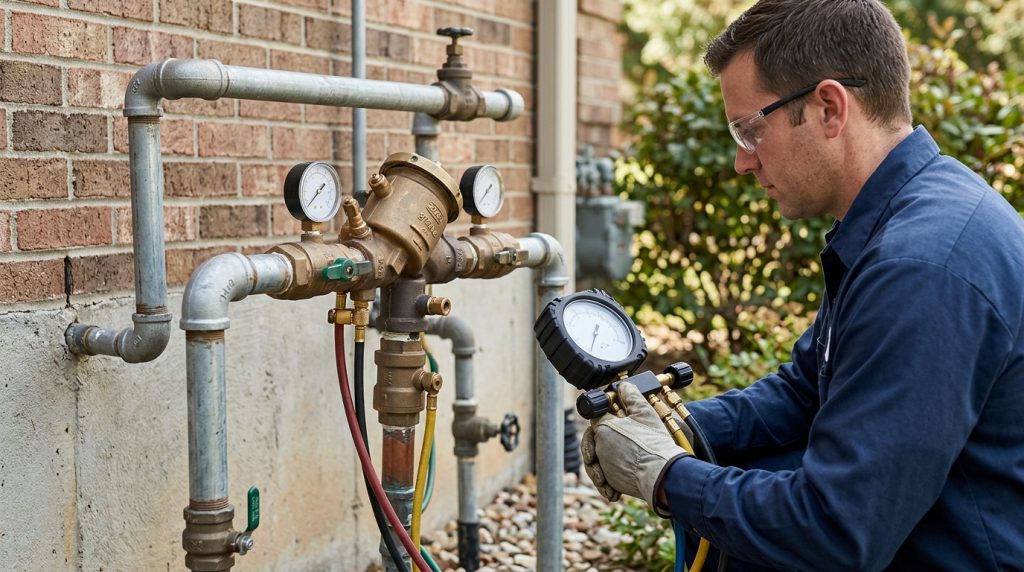
The testing process is straightforward but requires specialized equipment. The tester shuts off water flow to your property. Then they connect pressure gauges to test ports on your backflow device.
They simulate various pressure conditions to ensure all internal components work correctly. The process takes 15-30 minutes for a single device. You’ll receive a detailed report showing whether your device passed or failed.
If your device fails, repairs or replacement become necessary before you can pass inspection. Sometimes a valve cleaning solves the problem. Other times, worn parts need replacement.
Common Backflow Prevention Problems and Solutions
Even well-maintained backflow preventers develop issues. Most problems are fixable if caught early through regular testing.
Mineral buildup tops the list of common problems. Hard water deposits accumulate inside valves over time, preventing them from sealing. Regular testing catches this before it becomes a serious water contamination risk.
Rubber seals and springs wear out with age. These components handle constant water pressure, so they degrade. That’s why annual testing matters—it identifies wear before failure occurs.
Warning Signs Your Backflow Preventer Needs Attention
Between annual tests, watch for these red flags:
- Water discoloration or unusual tastes
- Visible leaks around the backflow device
- Reduced water pressure throughout your home
- Strange noises when water is running
Complete device failure requires immediate action. If you notice any of these symptoms, don’t wait for your annual test. Contact us right away to find a certified professional who can assess the situation.
Protecting Your Home Beyond Backflow Prevention
Backflow testing protects your water supply, but comprehensive home protection involves multiple systems working together. Proper waterproofing prevents external contaminants from entering your home through foundation cracks.
Installing quality filtration systems provides an additional layer of protection for your drinking water. These systems remove contaminants that might slip through municipal treatment processes.
Don’t forget about basic plumbing maintenance either. Regular toilet repair and fixture inspections prevent cross-contamination within your home’s plumbing system.
Scheduling Your Annual Backflow Test
Mark your calendar when you receive your testing notice from Roselle Park. Most property owners schedule tests in spring before irrigation season starts. This timing ensures your system is ready for heavy summer use.
Don’t wait until the last minute. Certified testers get busy during peak season, and you don’t want to miss your deadline because of scheduling conflicts. Book your appointment early.
Take Action to Protect Your Water Supply Today
Backflow testing Roselle Park NJ requirements exist for keeping your family’s drinking water safe. Annual testing isn’t optional, and you shouldn’t put it off until problems develop.
Our directory makes finding certified backflow testing professionals simple. We’ve vetted local experts who understand Roselle Park’s specific requirements and deliver reliable service. They’ll handle your testing efficiently and ensure all paperwork gets filed with the municipality.
Ready to schedule your backflow test or need help finding a certified professional? Call us at 973-831-4333 or visit https://njproplumbers.com to connect with qualified specialists in your area. Don’t risk your water safety—get your backflow device tested today.
Need backflow testing Roselle Park NJ? Learn about annual requirements, certified testers, and how to protect your water supply today.
Have a plumbing problem right now?
Our licensed NJ master plumbers are available 24/7 — no extra charge for nights and weekends.