Gas lines are essential for powering heating systems, water heaters, stoves, and other appliances in Montclair homes. However, when not properly maintained or installed, they can pose serious safety risks including gas leaks, fires, and explosions. Understanding gas line safety is crucial for protecting your family and property.
Understanding Your Home’s Gas Line System
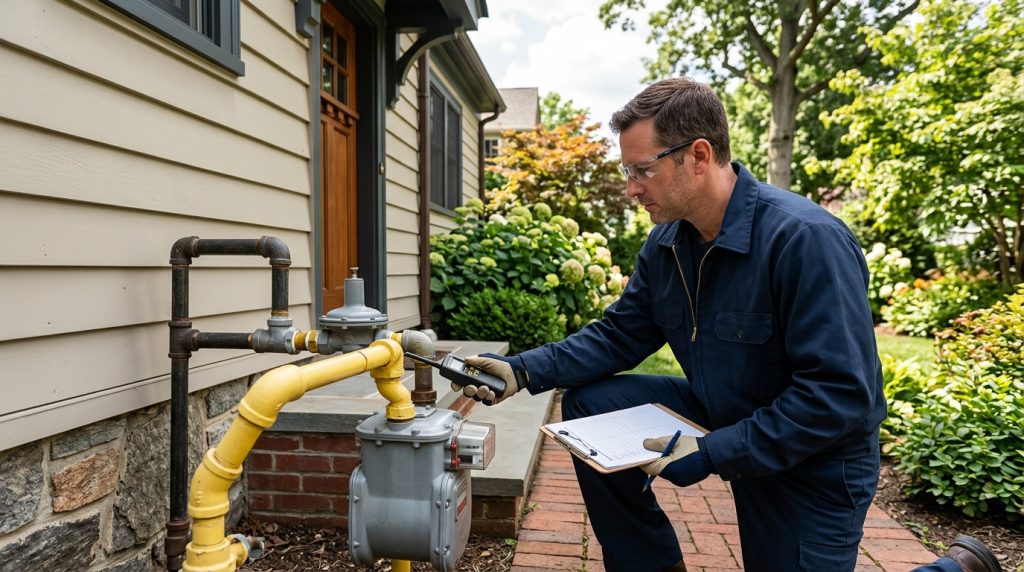
Natural gas enters your Montclair home through a main supply line, which then branches into smaller lines that feed individual appliances. These lines are typically made from steel, copper, or flexible corrugated stainless steel tubing (CSST). Each type has specific advantages and maintenance requirements that homeowners should understand.
The gas meter outside your home serves as the connection point between the utility company’s infrastructure and your private system. Everything beyond this meter is your responsibility to maintain and monitor for safety issues.
Common Gas Line Hazards in New Jersey Homes
Corrosion and Age-Related Deterioration
Older homes in Montclair may have aging gas lines that are more susceptible to corrosion, especially if they’re made from black iron pipe. New Jersey’s climate, with its humidity and temperature fluctuations, can accelerate this deterioration. Regular inspections are essential for identifying weak points before they become dangerous.
Improper DIY Modifications
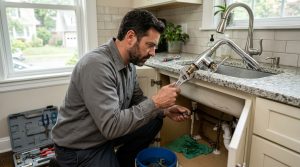
One of the most dangerous practices homeowners engage in is attempting to modify gas lines themselves. Unlike water lines, gas lines require professional expertise and proper permitting. Improper connections can lead to leaks that may go undetected until a catastrophic event occurs.
Damage from Other Work
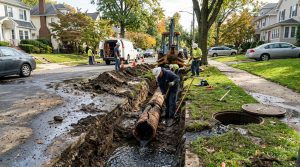
Gas lines can be damaged during renovation projects, similar to how underground oil tank removal requires careful planning to avoid utility strikes. Any excavation or wall work should include verification of gas line locations.
Warning Signs of Gas Line Problems
Recognizing the early warning signs of gas line issues can prevent emergencies. Here are critical indicators that require immediate professional attention:
- Sulfur or rotten egg smell: Natural gas is odorless, but utility companies add mercaptan to create this distinctive warning smell
- Hissing or whistling sounds: These noises near gas lines or appliances indicate escaping gas
- Dead vegetation: Plants dying in a line pattern in your yard may indicate an underground gas leak
- Physical symptoms: Headaches, dizziness, nausea, or fatigue can result from gas exposure
- Higher gas bills: Unexplained increases may indicate a leak somewhere in your system
Essential Gas Line Safety Practices
Schedule Regular Professional Inspections
Licensed plumbers should inspect your gas lines annually, especially in homes over 20 years old. These inspections can identify corrosion, loose connections, and other issues before they become hazardous. For commercial plumbing systems in Montclair, more frequent inspections may be required by local codes.
Install and Maintain Gas Detectors
Carbon monoxide detectors are essential, but consider adding natural gas detectors near gas appliances and sleeping areas. Test these devices monthly and replace batteries according to manufacturer recommendations.
Know Your Shut-Off Valve Location
Every household member should know where the main gas shut-off valve is located and how to operate it. In an emergency, this knowledge can prevent disaster. The valve is typically located near your gas meter outside the home.
Keep Gas Appliances Properly Maintained
Regular maintenance of gas-powered appliances ensures they operate safely and efficiently. This includes annual servicing of furnaces, water heaters, and other gas equipment. Check our plumbing tips and advice section for more maintenance guidance.
What to Do If You Suspect a Gas Leak
If you smell gas or suspect a leak, take these immediate steps:
- Evacuate everyone from the building immediately
- Do not use any electrical switches, phones, or create any sparks
- Leave doors open as you exit to allow gas to dissipate
- Once safely away from the building, call 911 and your gas utility company
- Do not re-enter until professionals declare it safe
Montclair Building Codes and Gas Line Requirements
Montclair, New Jersey follows strict building codes regarding gas line installation and modification. All gas work requires proper permits and must be performed by licensed professionals. These regulations exist to protect homeowners and ensure community safety.
When planning renovations or new gas appliance installations, factor in permit costs and inspection requirements. Attempting to bypass these requirements can result in fines, insurance complications, and serious safety hazards.
Professional Gas Line Services You Can Trust
Gas line work is not a DIY project. Whether you need installation, repair, or inspection services, working with qualified professionals ensures your family’s safety and compliance with local codes.
At NJ Pro Plumbers, we understand the critical importance of gas line safety for Montclair homeowners. Our licensed technicians have the expertise and equipment to handle all gas line services, from routine inspections to emergency repairs.
Don’t wait for warning signs to become emergencies. Contact us today at 973-831-4333 for a comprehensive gas line safety inspection. We’re available 24/7 to address your concerns and ensure your home’s gas system operates safely and efficiently.
Have a plumbing problem right now?
Our licensed NJ master plumbers are available 24/7 — no extra charge for nights and weekends.