Oil tank removal is a critical home maintenance consideration for many New Jersey homeowners, particularly those transitioning away from heating oil systems or upgrading to more efficient energy solutions. Whether you’re in Montclair, NJ, or elsewhere throughout the state, understanding the ins and outs of oil tank removal can save you time, money, and potential environmental headaches.
Why Oil Tank Removal Matters for NJ Homeowners
Many older homes across New Jersey were built with underground or above-ground oil storage tanks that once heated entire households. Today, as energy efficiency standards evolve and homeowners seek cleaner alternatives, the question of what to do with these tanks becomes increasingly important.
Improper oil tank removal can lead to soil contamination, groundwater pollution, and substantial liability issues. In New Jersey, state regulations are particularly stringent regarding petroleum storage tank removal, making professional intervention not just recommended but essential for compliance and peace of mind.
Understanding New Jersey’s Oil Tank Removal Regulations
State Environmental Requirements
New Jersey’s Department of Environmental Protection (NJDEP) enforces comprehensive regulations governing oil tank removal and remediation. Any homeowner planning to remove an oil storage tank must adhere to these standards, which include proper decommissioning procedures and environmental assessment protocols.
The state requires that certified professionals handle tank removal to ensure all residual petroleum products are properly managed and disposed of according to environmental guidelines. This regulatory framework exists to protect both individual properties and the broader ecosystem.
Permits and Documentation
Before removing an oil tank in New Jersey, homeowners must obtain appropriate permits from their local municipality. This process ensures that removal procedures meet state and local standards. Professional plumbing contractors experienced in oil tank removal, like those at NJ Pro Plumbers, understand these regulatory requirements and can navigate the permitting process efficiently.
The Oil Tank Removal Process
Initial Assessment and Environmental Testing
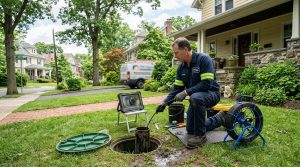
The first step in professional oil tank removal involves a thorough inspection of the tank’s condition and location. Technicians assess whether the tank has leaked, determine its size and contents, and evaluate the surrounding soil and groundwater conditions.
Environmental testing may reveal contamination requiring remediation—a situation more common than many homeowners expect. Early detection through proper assessment prevents costly surprises down the road and ensures comprehensive environmental protection.
Tank Extraction and Decommissioning
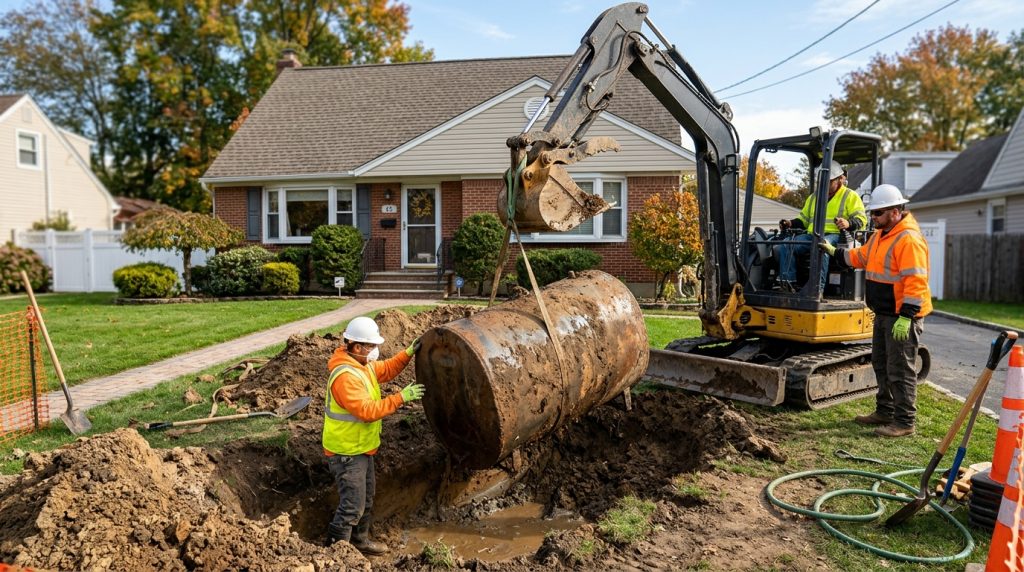
Once permits are secured and assessments completed, trained professionals carefully extract the tank from its location. For underground tanks, this involves excavation; for above-ground systems, careful removal and proper handling of any remaining petroleum residue.
All extracted materials are transported to licensed waste disposal facilities in accordance with New Jersey environmental regulations. The decommissioning process ensures no hazardous materials remain on your property.
Site Restoration and Verification
After tank removal, the excavation site is properly backfilled and restored. Many homeowners use this opportunity to enhance their property’s functionality—perhaps adding a garden, expanding outdoor space, or improving landscaping in Montclair, NJ, and surrounding areas.
Documentation of the removal process and environmental clearance is essential for property records and future real estate transactions.
Cost Considerations for Oil Tank Removal
Oil tank removal costs in New Jersey vary based on several factors: tank size, location (underground versus above-ground), site accessibility, and whether remediation is necessary. While it represents a significant investment, professional removal protects your property value and prevents environmental liability that could prove far costlier.
Obtaining a free estimate from qualified professionals helps establish realistic budgeting. Many homeowners find the peace of mind and regulatory compliance well worth the investment.
When to Schedule Oil Tank Removal
The ideal time to remove an oil tank is before transitioning to a new heating system or when selling your property. Buyers and their inspectors will inevitably discover the tank, and addressing removal proactively strengthens your negotiating position.
For more guidance on maintaining your home’s plumbing and mechanical systems, explore our Plumbing Tips & Advice section.
Partner With NJ Pro Plumbers for Expert Oil Tank Removal
At NJ Pro Plumbers, we bring years of specialized experience to oil tank removal projects throughout the Montclair, NJ, area and beyond. Our team understands New Jersey’s regulatory landscape, maintains all necessary certifications, and delivers environmentally responsible removal services.
Whether you’re replacing an outdated heating system or preparing your property for sale, our professionals handle every aspect of the removal process—from initial permits through final site restoration.
Ready to discuss your oil tank removal needs? Contact us today for a free estimate. Call us 24/7 at 973-831-4333, and our team will respond within the hour to discuss your project requirements and provide transparent pricing.
Don’t let oil tank concerns become a liability. Partner with NJ Pro Plumbers and experience the professional expertise that New Jersey homeowners trust for comprehensive plumbing and tank removal solutions.
Have a plumbing problem right now?
Our licensed NJ master plumbers are available 24/7 — no extra charge for nights and weekends.