Low water pressure is one of the most frustrating plumbing issues homeowners face, especially in Montclair and throughout New Jersey. Whether you’re struggling to shower or noticing weak water flow from your kitchen faucet, inadequate water pressure significantly impacts your daily quality of life. Understanding the root causes and available solutions can help you address this problem quickly and effectively.
At NJ Pro Plumbers, we’ve diagnosed and resolved countless water pressure issues across the region. This comprehensive guide will walk you through the most common culprits behind low water pressure and the practical fixes that work.
Understand Your Water Pressure System
Before diving into specific causes, it’s important to understand that normal household water pressure typically ranges between 40-60 PSI (pounds per square inch). Anything below 40 PSI is generally considered low and may warrant professional attention. Multiple factors can reduce your system’s pressure, from simple fixes you can handle yourself to more complex issues requiring expert intervention.
Common Causes of Low Water Pressure
1. Water Main Issues and Municipal Supply Problems
Sometimes, low water pressure originates outside your home. Local water main breaks, municipality maintenance work, or neighborhood-wide pressure fluctuations can reduce the water supply to your entire block. If you notice low pressure throughout your house simultaneously, check with neighbors or contact your local water authority to determine if the issue is systemic. Municipalities occasionally perform hydrant flushing or infrastructure work that temporarily affects pressure.
2. Mineral Buildup and Sediment Accumulation
New Jersey’s water quality varies significantly by location, and many areas have hard water containing dissolved minerals. Over time, minerals like calcium and magnesium accumulate inside pipes, faucet aerators, and shower heads, restricting water flow. This is particularly common in older Montclair homes with decades-old plumbing infrastructure.
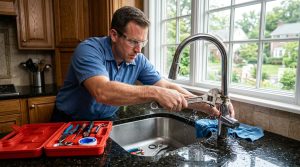
To check if mineral buildup is your culprit, remove the aerator from a faucet and run water directly from the pipe. If pressure improves significantly, you’ve found your problem. Soaking aerators in white vinegar overnight often clears minor buildup, though severe cases may require professional cleaning or replacement.
3. Faulty Pressure Regulator
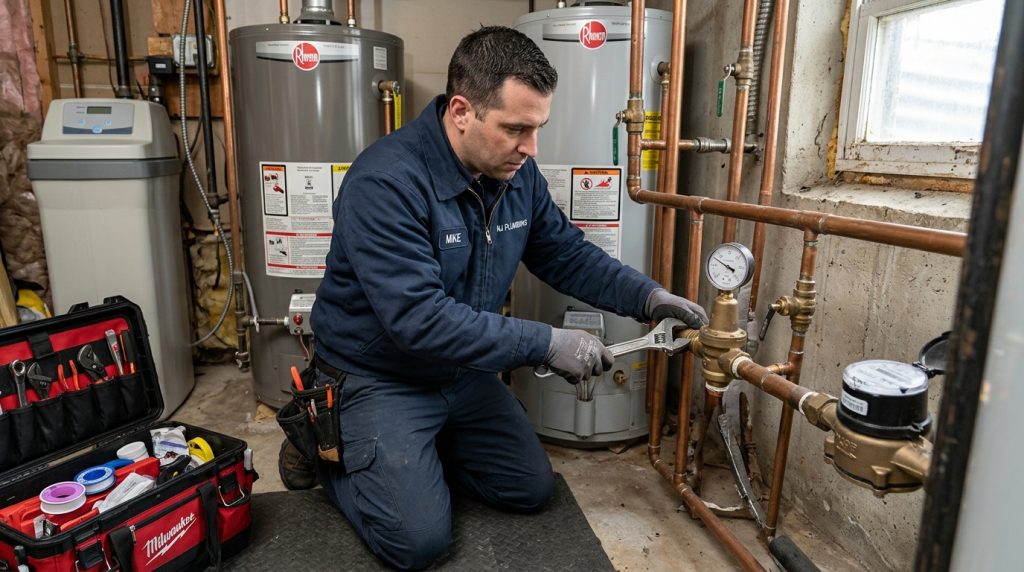
Your home’s pressure regulator is a specialized valve that maintains consistent water pressure throughout your plumbing system. When this device fails, it typically causes pressure to drop throughout your entire house. A failing regulator is one of the most common reasons for whole-home pressure loss and requires professional replacement.
4. Leaks in Your Plumbing System
Even small leaks can substantially reduce water pressure. Hidden leaks within walls, under foundations, or in basement pipes lose water before it reaches your fixtures. If low pressure accompanies unexpectedly high water bills or visible water damage, a leak investigation is essential. Professional plumbers use specialized equipment to locate hidden leaks without invasive wall demolition.
5. Clogged or Corroded Pipes
Aging galvanized steel pipes, common in older New Jersey homes, gradually corrode from the inside out. This corrosion creates blockages that restrict water flow and may discolor water brown or red. Copper pipes can develop pinhole leaks or buildup over 40+ years, similarly compromising pressure and water quality.
6. Water Heater Complications
If you’re experiencing low hot water pressure specifically, your water heater’s shut-off valve might be partially closed, or sediment may have accumulated in the tank. Check that the valve beneath your water heater is fully open (turn counterclockwise). If pressure remains low only for hot water, professional water heater servicing can restore functionality.
Practical Fixes You Can Try First
Start with these simple troubleshooting steps before calling a professional:
Check the water shut-off valve: Locate your main water shut-off valve and ensure it’s fully open. A partially closed valve dramatically reduces pressure throughout your home.
Clean aerators and screens: Remove and clean faucet aerators, shower heads, and hose connections using vinegar or a small brush to eliminate mineral deposits.
Verify multiple fixtures: Test water pressure at different sinks and locations. If only one fixture has low pressure, the issue is localized. If pressure is low everywhere, the problem is more systemic.
When to Call a Professional Plumber
If your DIY troubleshooting doesn’t resolve low water pressure, professional diagnosis is warranted. A qualified plumber can:
Test your system’s PSI with specialized pressure gauges, evaluate your pressure regulator, identify hidden leaks using acoustic detection equipment, assess your pipes’ condition and material, and provide comprehensive solutions tailored to your home’s specific needs.
For more detailed guidance, visit our Plumbing Tips & Advice section, where we regularly share insights on maintaining your home’s plumbing system.
Montclair NJ Plumbing Solutions
Residents throughout Montclair and surrounding New Jersey communities trust NJ Pro Plumbers for water pressure diagnostics and repairs. Whether you’re dealing with mineral buildup, corroded pipes, or a faulty regulator, our licensed plumbers deliver prompt, reliable solutions. We understand the unique plumbing challenges facing New Jersey homes and provide service options ranging from commercial plumbing expertise to residential repairs.
Don’t let low water pressure disrupt your daily routine. Contact NJ Pro Plumbers at 973-831-4333 to schedule a comprehensive pressure evaluation. Our team is available 24/7 to address your plumbing concerns with professionalism and expertise.
Reach out today for your free estimate, and let our experienced technicians restore your home’s water pressure to optimal levels.
Have a plumbing problem right now?
Our licensed NJ master plumbers are available 24/7 — no extra charge for nights and weekends.