Clogged drains are among the most common plumbing issues homeowners face, causing frustration and potential water damage if left unaddressed. Whether you’re dealing with a slow-draining sink or a completely blocked pipe, understanding the fundamentals of drain cleaning can save you time and money. This comprehensive guide covers effective DIY methods and helps you recognize when professional intervention becomes necessary.
Understanding Common Causes of Drain Clogs
Before attempting any drain cleaning solution, it’s essential to identify what’s causing the blockage. In residential properties throughout Montclair, NJ, the most frequent culprits include:
- Hair accumulation: Particularly common in bathroom drains and shower stalls
- Grease and oil buildup: Kitchen sinks often suffer from solidified fats coating pipe walls
- Soap scum: Combines with minerals to create stubborn deposits
- Food particles: Even with garbage disposals, certain items shouldn’t go down drains
- Foreign objects: Small items accidentally dropped into drains
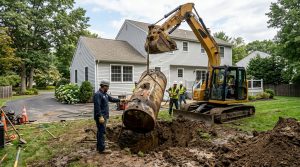
- Tree root intrusion: A serious issue requiring professional commercial plumbing expertise
Effective DIY Drain Cleaning Methods
The Boiling Water Technique
For minor clogs caused by grease or soap buildup, boiling water can be surprisingly effective. Simply heat a full kettle of water to a rolling boil and carefully pour it directly down the drain in stages, allowing several seconds between each pour. This method works best on metal pipes and should be avoided with PVC plumbing, which can be damaged by extreme temperatures.
Baking Soda and Vinegar Solution
This natural, chemical-free approach harnesses the power of a simple chemical reaction. Pour one cup of baking soda down the drain, followed by one cup of white vinegar. Cover the drain with a plug or cloth to contain the fizzing action, wait 30 minutes, then flush with hot water. This method effectively breaks down organic matter without the harsh chemicals found in commercial drain cleaners.
Manual Plunging
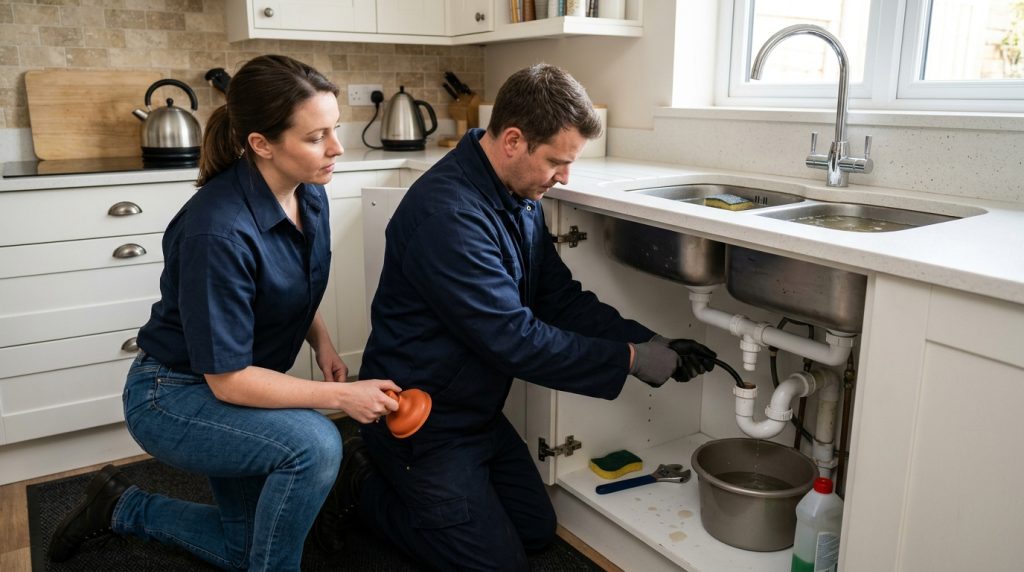
A quality plunger remains one of the most reliable tools for clearing blockages. For sinks, ensure you’re using a cup plunger (not a flange plunger designed for toilets). Fill the sink with enough water to cover the plunger cup, create a tight seal, and use firm, rhythmic plunging motions. For persistent clogs, you may need to repeat this process several times.
Drain Snake or Auger
For more stubborn blockages located deeper in your pipes, a manual drain snake can reach clogs that other methods cannot. Insert the snake into the drain, rotate the handle as you push forward, and once you feel resistance, continue rotating to break up the obstruction. This tool proves particularly effective for hair clogs in bathroom drains.
When DIY Methods Aren’t Enough
While homeowners can successfully address many minor drain issues, certain situations require professional expertise. Recognizing these scenarios prevents further damage and costly repairs down the line.
Warning Signs That Require Professional Attention
Multiple clogged drains: If several fixtures in your home are draining slowly simultaneously, this indicates a main line blockage rather than an isolated problem. This situation demands immediate professional assessment.
Recurring clogs: When the same drain repeatedly backs up despite your best DIY efforts, an underlying issue exists that surface-level treatments cannot resolve. Professional plumbers possess specialized equipment like video inspection cameras to diagnose hidden problems.
Sewage odors: Foul smells emanating from drains suggest serious blockages or even sewage backup, requiring immediate professional intervention to prevent health hazards.
Water backing up: If water flows backward from one fixture when using another, your drainage system has a significant obstruction that DIY methods cannot adequately address.
Gurgling sounds: Strange noises from drains or toilets indicate trapped air in your plumbing system, often signaling blockages in vent pipes or main lines.
Professional Drain Cleaning Advantages
Licensed plumbers bring advanced tools and techniques to drainage problems. Hydro-jetting uses high-pressure water streams to thoroughly clean pipe interiors, removing years of buildup. Video camera inspections identify exact blockage locations and underlying issues like pipe damage or root intrusion. These methods not only clear current clogs but prevent future problems.
Professional services become particularly crucial for commercial plumbing systems, where drainage issues can disrupt business operations and affect customer experiences. Additionally, if you’re experiencing plumbing issues alongside other property concerns like oil tank removal projects, coordinating professional services ensures comprehensive property maintenance.
Preventive Maintenance Tips
Prevention remains the most cost-effective drain cleaning strategy. Install drain screens to catch hair and debris, avoid pouring grease down kitchen sinks, run hot water after each use, and schedule annual professional inspections. For more preventive maintenance guidance, visit our plumbing tips and advice section.
Get Expert Help When You Need It
While DIY drain cleaning methods can effectively address minor clogs, knowing when to call professionals protects your plumbing system and property. If you’re experiencing persistent drainage issues in Montclair, NJ, or surrounding areas, don’t let small problems become major headaches.
NJ Pro Plumbers offers 24/7 emergency drain cleaning services with experienced technicians ready to diagnose and resolve any drainage problem. Contact us today at 973-831-4333 for fast, reliable service, or request a free estimate through our website. Our team combines advanced technology with old-fashioned craftsmanship to keep your drains flowing smoothly year-round.
Have a plumbing problem right now?
Our licensed NJ master plumbers are available 24/7 — no extra charge for nights and weekends.