Low water pressure is one of the most frustrating plumbing issues homeowners face. Whether you’re struggling with a weak shower stream or waiting endlessly for your sink to fill, inadequate water pressure disrupts daily routines and can signal underlying plumbing problems. For homeowners in Montclair and throughout New Jersey, understanding the root causes of low water pressure is essential for maintaining a functional plumbing system.
Understanding Normal Water Pressure in NJ Homes
Before diagnosing low water pressure, it’s important to understand what’s considered normal. Residential water pressure typically ranges between 45 and 80 PSI (pounds per square inch), with 60 PSI being ideal for most homes. New Jersey homes generally receive adequate municipal water pressure, but various factors can reduce the pressure by the time water reaches your fixtures.
If you’re experiencing consistently weak water flow throughout your home, it’s time to investigate the underlying causes.
Common Causes of Low Water Pressure
1. Corroded or Clogged Pipes
Older homes in Montclair and surrounding areas often have galvanized steel pipes that corrode over time. As rust and mineral deposits accumulate inside the pipes, they restrict water flow, leading to reduced pressure. This issue is particularly common in homes built before the 1960s.
Copper and PEX piping systems are less susceptible to corrosion, but they can still develop mineral buildup, especially in areas with hard water—a common issue throughout New Jersey.
2. Partially Closed Water Valves
Sometimes the solution is surprisingly simple. Your home has two main shut-off valves: the water meter valve (controlled by the municipality) and the main house valve. If either valve isn’t fully open, it can significantly reduce water pressure throughout your home.
Check both valves to ensure they’re completely open. The main house valve is typically located where the main water line enters your home, often in the basement or crawl space.
3. Faulty Pressure Regulator
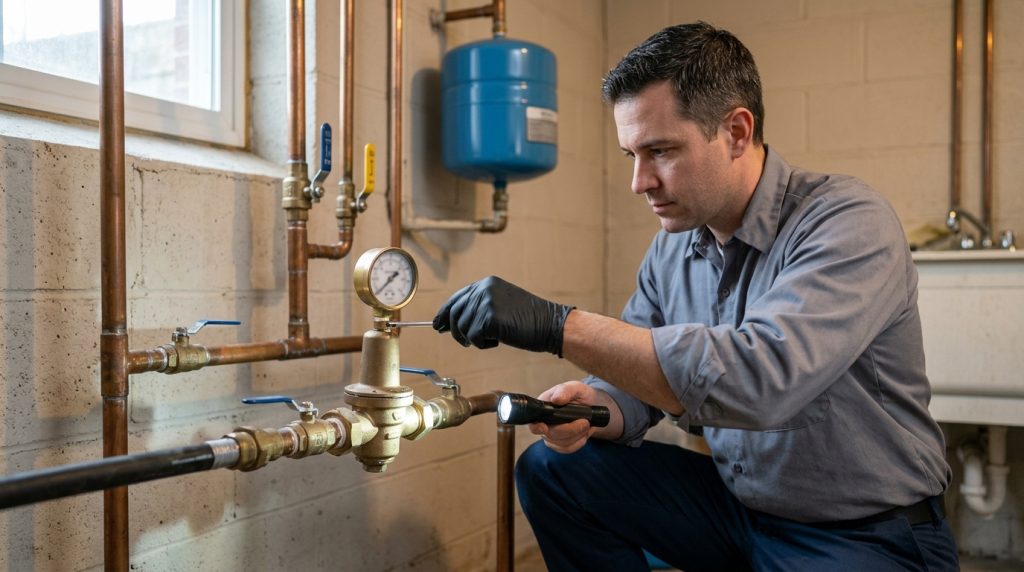
Many New Jersey homes are equipped with pressure regulators that maintain consistent water pressure and protect plumbing fixtures from damage. When these devices fail, they can cause either extremely high or low water pressure.
If you notice sudden changes in water pressure throughout your entire home, a malfunctioning pressure regulator is likely the culprit. This component typically requires professional replacement.
4. Leaking Pipes
Hidden leaks in your plumbing system can divert water before it reaches your fixtures, resulting in reduced pressure. Look for signs of water damage, including stains on walls or ceilings, unexpectedly high water bills, or the sound of running water when all fixtures are off.
Leaks require immediate attention to prevent water damage and mold growth—serious concerns in New Jersey’s humid climate.
5. Clogged Fixtures and Aerators
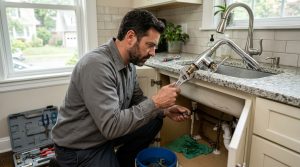
If low pressure affects only one fixture, the problem is likely localized. Faucet aerators and showerheads accumulate mineral deposits that restrict water flow. These components are easy to clean or replace, making this one of the simplest fixes for low water pressure.
6. Municipal Water Supply Issues
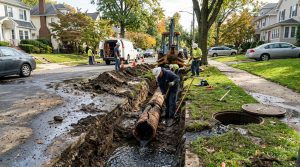
Occasionally, low water pressure stems from problems with the municipal water supply. Water main breaks, maintenance work, or increased demand during peak hours can temporarily reduce pressure. Contact your local water department to determine if there are known issues in your area.
Professional Solutions for Persistent Water Pressure Problems
While some water pressure issues can be resolved with simple DIY fixes, many require professional expertise. Pipe replacement, pressure regulator installation, and leak detection demand specialized tools and knowledge.
For commercial plumbing applications, water pressure problems can be even more complex, affecting multiple floors and requiring comprehensive system assessments.
Professional plumbers can also identify whether underground issues—such as problems related to oil tank removal projects or main line damage—are contributing to your water pressure concerns.
Preventing Future Water Pressure Issues
Regular plumbing maintenance helps prevent water pressure problems before they start. Schedule annual inspections to catch corrosion, leaks, and other issues early. Consider installing a whole-home water softener if you have hard water, as this can significantly reduce mineral buildup in your pipes.
For more helpful information about maintaining your plumbing system, visit our Plumbing Tips & Advice section, where we regularly share expert insights for New Jersey homeowners.
Get Expert Help for Low Water Pressure in Montclair
Don’t let low water pressure disrupt your daily routine. Whether you’re dealing with a simple aerator clog or a complex piping issue, professional diagnosis ensures the right solution the first time.
At NJ Pro Plumbers, we’ve helped countless homeowners in Montclair and throughout New Jersey restore proper water pressure to their homes. Our experienced technicians use advanced diagnostic tools to identify the exact cause of your water pressure problems and provide lasting solutions.
Ready to resolve your water pressure issues? Contact us today for a free estimate, or call us 24/7 at 973-831-4333. We respond to all inquiries within the hour and offer emergency services when you need them most.
Have a plumbing problem right now?
Our licensed NJ master plumbers are available 24/7 — no extra charge for nights and weekends.