Gas lines are essential for powering furnaces, water heaters, stoves, and dryers in many Montclair NJ homes. While natural gas is a safe and efficient energy source when properly maintained, gas line issues can pose serious safety risks including fire, explosions, and carbon monoxide poisoning. Understanding gas line safety is crucial for protecting your family and property.
Recognizing the Signs of a Gas Line Problem
Early detection of gas line issues can prevent dangerous situations. Homeowners in Montclair should be aware of these warning signs:
Smell and Sound Indicators
Natural gas companies add a distinctive sulfur or “rotten egg” odor to help detect leaks. If you smell this odor inside or outside your home, take it seriously. Additionally, listen for hissing or whistling sounds near gas appliances or pipes, which may indicate escaping gas.
Visual Clues
Dead or discolored vegetation near gas lines, dust blowing from the ground, or bubbles in standing water can signal an underground gas leak. Inside your home, watch for pilot lights that frequently go out or flames that appear yellow or orange instead of blue.
Physical Symptoms
Gas exposure can cause headaches, dizziness, nausea, fatigue, and breathing difficulties. If multiple family members experience these symptoms simultaneously, especially when indoors, evacuate immediately and contact emergency services.
Common Gas Line Hazards in Montclair Homes
Understanding potential hazards helps homeowners take preventive measures:
Aging Infrastructure
Many Montclair properties feature older homes with aging gas lines. Corroded pipes, particularly those made from outdated materials, are more susceptible to leaks. Regular inspections by licensed professionals can identify deterioration before it becomes dangerous.
DIY Modifications and Repairs
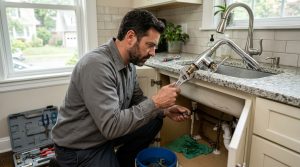
Attempting to modify, repair, or install gas lines without proper licensing is illegal in New Jersey and extremely dangerous. Gas line work requires specialized knowledge, tools, and permits. Always hire licensed professionals for any gas line work, similar to how you would for commercial plumbing projects that require expertise and certification.
Excavation Damage
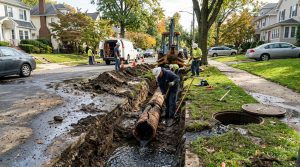
Home improvement projects involving digging can accidentally damage underground gas lines. Before any excavation, contact New Jersey 811 to have utilities marked. This is especially important if you’re also planning projects like oil tank removal, which involves underground work.
Essential Gas Line Safety Practices
Schedule Regular Inspections
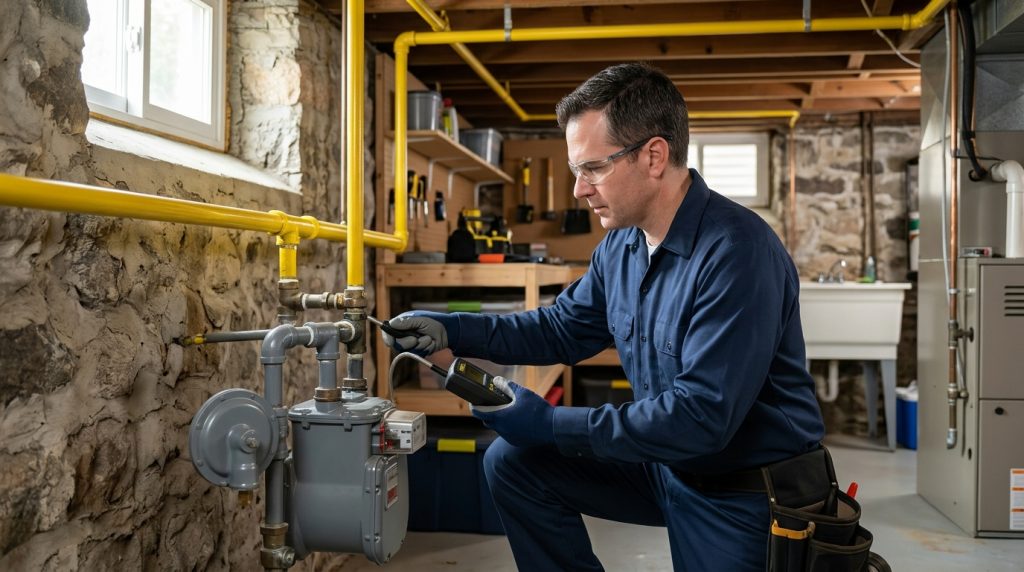
Professional gas line inspections should occur annually. Licensed plumbers can detect small leaks, check connections, test pressure levels, and ensure all components meet current safety codes. These preventive measures are far less expensive than emergency repairs.
Know Your Shut-Off Valve Location
Every household member should know where the main gas shut-off valve is located and how to operate it. In an emergency, shutting off the gas supply can prevent catastrophic damage. The valve is typically located near your gas meter outside the home.
Install Carbon Monoxide Detectors
Carbon monoxide is an odorless, colorless gas produced by incomplete combustion. Install CO detectors on every level of your home, especially near bedrooms. Test them monthly and replace batteries twice yearly.
Maintain Proper Ventilation
Gas appliances require adequate ventilation to function safely. Never block vents or air intakes, and ensure exhaust systems are clear of debris. Poor ventilation can lead to carbon monoxide buildup even without a gas leak.
What to Do If You Suspect a Gas Leak
If you suspect a gas leak, follow these critical steps:
- Evacuate immediately – Get everyone out of the building, including pets
- Don’t use electronics – Avoid turning lights on or off, using phones, or operating any electrical devices that could create a spark
- Leave doors open – This allows gas to dissipate as you exit
- Call from a safe distance – Once outside and away from the building, call 911 and your gas company
- Don’t re-enter – Wait for emergency responders to declare the area safe
Choosing Qualified Gas Line Professionals in Montclair
Gas line work in New Jersey requires specific licensing beyond standard plumbing credentials. Verify that any contractor holds a Master Plumber License with gas endorsement. Check references, confirm insurance coverage, and ensure they pull proper permits for all work.
For more helpful information about maintaining your home’s plumbing and gas systems, visit our Plumbing Tips & Advice section.
Protect Your Montclair Home with Professional Gas Line Services
Gas line safety isn’t something to take lightly or handle on your own. Whether you need a routine inspection, suspect a leak, or are planning renovations that involve gas lines, professional expertise is essential.
At NJ Pro Plumbers, our licensed technicians have the specialized training and equipment to handle all gas line services safely and in compliance with New Jersey codes. We serve Montclair and surrounding communities with 24/7 emergency response for urgent situations.
Don’t wait until a small problem becomes a major hazard. Contact us today at 973-831-4333 for a comprehensive gas line safety inspection. Your family’s safety is worth the investment in professional service.
Have a plumbing problem right now?
Our licensed NJ master plumbers are available 24/7 — no extra charge for nights and weekends.