Is Your Water Heater Sending Warning Signals?
When you’re facing issues with water heater repair New Jersey homeowners know that catching problems early can save thousands of dollars. Your water heater works hard every single day, and like any hardworking appliance, it’ll show signs of wear and tear. But most people ignore these warning signs until they’re standing in a puddle of water or shivering through a cold shower.
We’ve created this guide to help you spot the five critical signs that your water heater needs attention. Whether you’re dealing with strange noises, rusty water, or something else, you’ll know what to look for and when to find help through our directory of qualified local professionals.
Sign #1: Your Water Looks Rusty or Discolored
You turn on your hot water tap and see brownish or reddish water flowing out. That’s not just unpleasant. That’s a serious red flag. Rusty water means your water heater tank is corroding from the inside out.
The anode rod inside your tank is designed to attract corrosive elements and protect the tank itself. Once that rod wears out, the tank starts rusting. When you see discolored water coming only from your hot water taps (not cold), your tank is the culprit.
You might also notice sediment or small particles in your water. This buildup happens as minerals from your water supply settle at the bottom of the tank. While some sediment is normal, excessive buildup can damage your tank and reduce efficiency.
Don’t wait on this one. Once rust appears, you’re on a countdown to tank failure. Search our directory for Water Heaters specialists who can assess whether you need repair or replacement.
When Rust Means Replacement
Internal tank rust means you’ll need a replacement rather than a repair. The good news? Modern water heaters are more efficient than older models, so you’ll see lower energy bills after upgrading.
Sign #2: Strange Noises Coming From Your Tank
Is your water heater making rumbling, popping, or banging sounds? These noises aren’t just annoying. They’re telling you something about what’s happening inside your tank.
These sounds come from sediment buildup at the bottom of your tank. As water heats up, it has to push through this layer of sediment, creating those characteristic popping and rumbling noises. Think of it like a kettle boiling with rocks in the bottom.
These sounds also indicate that your water heater is working much harder than it should. That sediment layer acts like insulation between the heating element and the water, forcing your system to use more energy and work longer to heat your water.
Different noises mean different things:
- Popping or rumbling: Sediment buildup is trapping water beneath it
- Hissing or sizzling: Water might be leaking onto the burner or heating element
- Banging or knocking: Could indicate high water pressure or loose pipes
- Ticking sounds: Often caused by heat trap fittings or thermal expansion
According to the U.S. Department of Energy, regular maintenance can prevent many of these issues and extend your water heater’s lifespan.
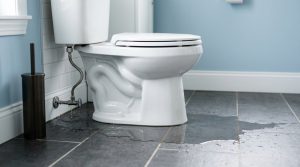
Sign #3: Water Pooling Around Your Water Heater
Water around your water heater is never normal. Even small amounts of moisture deserve attention because they get worse before they get better.
First, check whether the water is coming from your tank or from nearby pipes and fittings. Sometimes, condensation or a leaky pipe connection is the culprit, which is easier (and cheaper) to fix than a tank leak.
If water is seeping from the tank itself, you’re looking at a serious problem. Tank leaks happen for these reasons:
- Corrosion has eaten through the tank wall
- The temperature and pressure relief valve is failing
- The drain valve at the bottom isn’t sealing
- Cracks have developed due to age or pressure issues
Even a small leak can cause water damage to your floors, walls, and belongings. If you spot water, turn off the power supply (for electric heaters) or gas supply (for gas heaters). Then search our directory for an Emergency Plumbing professional who can respond.
The Cost of Waiting
Water damage repairs can cost thousands of dollars. Addressing a leak now can save you ten times what you’d spend on water damage restoration later. Plus, if you have belongings stored near your water heater, they’re at risk too.
Sign #4: Inconsistent Water Temperature or No Hot Water
Nothing’s worse than stepping into what should be a hot shower only to get blasted with cold water. If your water temperature is unpredictable or you’re running out of hot water much faster than normal, your water heater is struggling.
Several issues can cause temperature problems. Your heating element (in electric models) or burner (in gas models) might be failing. Sediment buildup can also reduce your tank’s effective capacity, meaning less hot water available for your household.
Thermostat problems can cause your water to be either too hot or too cold. If your water is scalding hot, that’s dangerous and needs attention. If it’s lukewarm at best, you’re not getting the performance you’re paying for.
For water heater repair New Jersey residents should know that temperature issues often start small and worsen. You might notice you need to wait longer for hot water, or your morning shower is fine but evening showers run cold. These patterns indicate declining performance.
When to Consider Replacement vs. Repair
If your water heater is over 10 years old and having temperature issues, replacement often makes more financial sense than repair. Newer models are more efficient, and the energy savings alone can offset the replacement cost over time.
Sign #5: Your Water Heater Is Over 10-15 Years Old
Age matters more than you might think. Even if your water heater seems to be working fine, once it hits the 10-15 year mark, it’s living on borrowed time.
Check the serial number on your water heater’s manufacturer label. The first few characters indicate the manufacturing date. For example, a serial number starting with “A08” might mean it was made in January 2008.
As water heaters age, several things happen:
- Internal components wear out and become less efficient
- Corrosion weakens the tank structure
- Energy consumption increases as the system struggles
- The risk of catastrophic failure grows
Even if you’re not experiencing obvious problems, an aging water heater deserves close monitoring. Consider scheduling an inspection through our directory to assess its condition. Proactive replacement beats emergency replacement every time.
What to Do When You Spot These Warning Signs
Now that you know what to look for, let’s talk about your next steps. First, don’t panic. Most water heater issues give you at least a little time to make informed decisions rather than emergency ones.
Start by documenting what you’re experiencing. Take photos of any leaks, note when temperature problems occur, and record any unusual noises. This information helps professionals diagnose your problem more quickly.
Next, use our directory to find qualified professionals in your area. You can search for the best plumbers near me NJ who specialize in water heater services. Our platform connects you with licensed, experienced professionals who can diagnose and fix your issue.
Questions to Ask When Searching for Help
When you’re comparing professionals through our directory, consider asking:
- How quickly can you schedule an inspection?
- Do you offer free estimates for replacement?
- What brands and models do you recommend?
- Do you handle permit requirements and inspections?
- What warranties do you offer on labor and parts?
Understanding Your Options: Repair vs. Replacement
Once you’ve identified a problem, you’ll face the repair-or-replace decision. This choice depends on several factors.
Consider repair when your water heater is young (under 8 years old), the problem is minor (like a faulty thermostat or heating element), and the repair cost is less than one-third the replacement cost. These situations make repair the smarter financial choice.
Replacement makes sense when your unit is over 10 years old, you’re experiencing multiple problems at once, or the repair cost approaches 50% or more of replacement cost. If you’re dealing with a leaking tank, replacement is almost always necessary since tank leaks can’t be repaired.
The Hidden Costs of Delaying
Waiting too long to address water heater problems costs you in multiple ways. Your energy bills climb as efficiency drops. You risk water damage from leaks. You might face emergency replacement costs (which are always higher than planned replacements). You’re also living with the inconvenience of unreliable hot water.
Prevention: Extending Your Water Heater’s Lifespan
While you’re thinking about water heater repair New Jersey homeowners should also know about prevention. Regular maintenance can add years to your water heater’s life and prevent many of the problems we’ve discussed.
Annual flushing removes sediment buildup before it becomes problematic. Testing the temperature and pressure relief valve ensures this critical safety feature works. Checking the anode rod every few years and replacing it when necessary protects your tank from corrosion.
Maintaining proper water pressure throughout your home helps prevent stress on your water heater. If you’re experiencing issues with other plumbing fixtures, like problems covered in our Toilet Repair section, addressing them can benefit your water heater too.
Beyond Water Heaters: Related Plumbing Concerns
Your plumbing system works as an interconnected network. Problems in one area often signal or cause problems elsewhere. For instance, if you’re noticing water pressure issues with your water heater, you might also want to check for problems with your Sewer Line Repair needs.
If you’ve had water damage from a leaking water heater, you’ll want to explore Waterproofing options to protect your basement or utility room from future issues.
For business owners, water heater problems can disrupt operations and affect customers. Our Commercial Plumbing directory section helps you find professionals experienced with commercial-grade systems and the unique demands they face.
Take Action Before It’s Too Late
Your water heater won’t last forever, but recognizing these five warning signs gives you the power to act before a minor inconvenience becomes a major disaster. Whether you’re seeing rusty water, hearing strange noises, spotting leaks, experiencing temperature problems, or dealing with an aging unit, help is available.
Don’t wait until you’re dealing with an emergency. Use our directory to find qualified professionals who can assess your situation and provide honest recommendations. You can reach out through our Contact Us page or call 973-831-4333 to get connected with experienced plumbers in your area.
Addressing water heater problems promptly saves money, prevents damage, and ensures your family has reliable hot water when they need it. Take a few minutes today to inspect your water heater and search our directory if you spot any of these warning signs. Your future self will thank you for taking action now rather than waiting for an emergency.
Visit https://njproplumbers.com to find trusted local professionals who can help with all your water heater needs, from routine maintenance to emergency repairs and full replacements.
Spot the 5 critical signs your water heater needs repair or replacement. Learn when to call for water heater repair New Jersey experts before disaster strikes.
Have a plumbing problem right now?
Our licensed NJ master plumbers are available 24/7 — no extra charge for nights and weekends.